Introduction
AC replacement is one of the larger investments homeowners in Oklahoma face. The decision takes on greater urgency in a climate with a long, intense cooling season, where comfort and reliability matter year-round. Because total cost varies significantly with the system’s efficiency tier, the home’s size, and installation complexity, readers should expect a wide range of final prices. This guide provides specific, real-world cost ranges for a standard 3-ton central setup across SEER2 tiers, and then explains the primary drivers that push costs up or down. The aim is to help Oklahoma homeowners understand what to expect before requesting quotes from contractors.
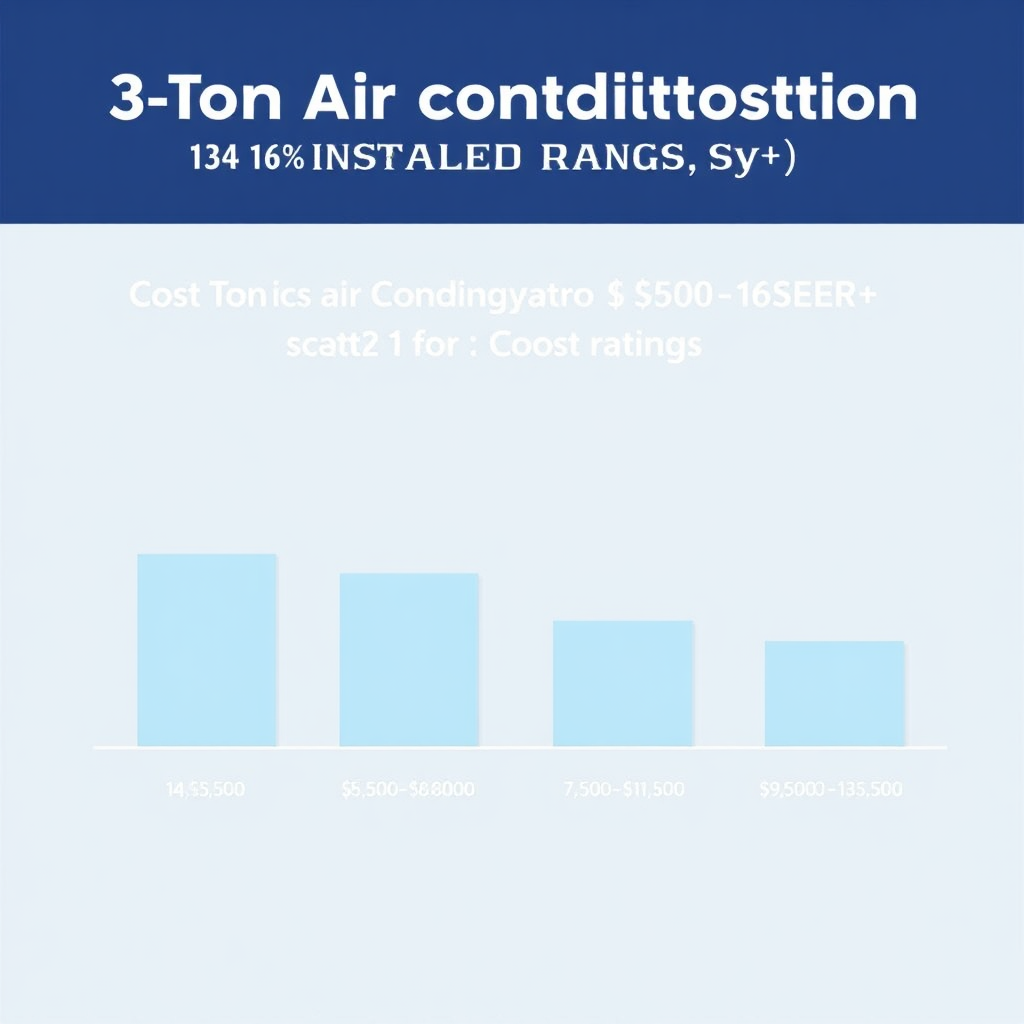
Cost by SEER2 Rating: 3-Ton System
| SEER2 Rating | Installed Cost (Typical Range) |
|---|---|
| 14 SEER2 | $4,500–$7,500 |
| 16 SEER2 | $5,500–$8,800 |
| 18 SEER2 | $7,500–$11,500 |
| 20+ SEER2 | $9,500–$13,500 |
Note: Most Oklahoma homeowners land in the $6,500–$10,500 range for a typical central AC replacement. Premium high-efficiency systems can reach $15,000–$20,000+ installed, depending on the home, ductwork, and contractor.
What Affects AC Replacement Cost
Several core factors drive the final installed price. Understanding these helps homeowners assess quotes and anticipate future costs. While the SEER2 rating sets the baseline price, other variables can meaningfully shift the total.
Home size and cooling load: Larger homes require more cooling capacity, often resulting in higher tonnage and equipment costs. In practice, adding capacity typically increases the price by roughly $1,000–$1,500 for each additional ton beyond a baseline 3-ton system. In Oklahoma, where hot seasons can push workloads, contractors may also factor in enhanced coil upgrades or ductwork considerations to maintain consistent comfort.
Efficiency rating: Higher SEER2 systems cost more upfront. The tradeoff is lower operating costs over time, which can be meaningful in Oklahoma’s long cooling season. The long-term energy savings depend on usage patterns, insulation, and thermostat behavior, but the upfront premium often pays back in reduced monthly bills over the life of the equipment.
Ductwork condition: If existing ductwork requires repair, relocation, sealing, or replacement, this can add $500–$5,000+ depending on the extent. Ductwork issues can erode system efficiency if not addressed, so some quotes itemize duct-related work separately to show how costs scale with the installed equipment.
System type: Central split systems (the standard for many Oklahoma homes with ductwork) come in a wide price range, while ductless mini-splits or heat pump configurations carry different cost profiles. Each option has unique installation complexities, refrigerant needs, and hardware requirements that influence total price.
Brand and contractor labor rates: Regional pricing varies within Oklahoma. Metropolitan areas may see higher labor rates or demand-based pricing, while rural areas may differ. Brand choices influence hardware costs (compressors, coils, controls) and warranty terms, which can affect long-term value even when upfront price is similar.
System Type Comparison
Central AC (Split System)
The most common choice for Oklahoma homes with existing ductwork. Typical total installed ranges run about $6,500–$12,500, depending on SEER2 rating, ductwork condition, and the size/brand of the equipment. A well-matched central system can provide dependable cooling with fewer zones to manage, and it often benefits from established service networks.
Ductless Mini-Split
Ideal for additions or homes without existing ductwork. Typical installed costs range from $4,500–$12,000, depending on the number of zones, the outdoor condenser, and the complexity of indoor units. Multi-zone configurations can push the price higher, but they offer flexible comfort control without ducting changes.
Heat Pump Systems
Provide both heating and cooling, and can be a strong option in milder Oklahoma winters. They typically run about 15–30% higher upfront than an equivalent AC-only system due to additional equipment. Over time, a heat pump can reduce the need for a separate furnace, potentially offsetting some overall modernization costs while delivering year-round comfort.
Signs Your AC Needs Replacement, Not Repair
Repairs can extend the life of a failing system, but certain signals indicate replacement is more economical and reliable in the long run. Homeowners should consider the age, ongoing repair costs, refrigerant status, and cooling performance when weighing options.
- The system is 12–15+ years old and showing diminishing reliability or frequent breakdowns.
- Repair costs are approaching 30–50% of what a replacement would cost, especially if major components or the compressor are involved.
- The system uses older R-22 refrigerant, which is phased out and becomes increasingly expensive to source when leaks occur.
- There are frequent breakdowns requiring repeat service calls, particularly during peak-season heat.
- Cooling performance has noticeably declined, and energy bills remain high even with regular maintenance.
Rebates and Tax Credits That Can Offset Cost
Qualifying high-efficiency systems may be eligible for federal tax credits and utility rebates that meaningfully reduce net cost. Federal incentives commonly range from about $600–$2,000, depending on the SEER2 rating and the exact equipment. Utility rebates typically run $200–$1,500, varying by utility provider and program availability.
To maximize benefits, readers should ask their chosen contractor which current incentives their system qualifies for and verify program details, as these programs change periodically. The combined impact of tax credits and rebates can tilt a project from a near-term burden toward a more favorable long-term investment.
Getting Accurate AC Replacement Quotes
Homeowners should approach quotes as a precise, apples-to-apples comparison rather than a single price tag. The goal is to understand the full scope of what’s included and what isn’t, so decisions are informed and defensible.
- Obtain at least three quotes from licensed, insured contractors. Ask for a formal document that lists exact SEER2 rating, tonnage, and brand/model for each proposal (not just a price).
- Confirm whether ductwork inspection or modification is included, and whether any fixes are billed separately from the equipment price.
- Ask about warranty terms on both equipment and labor. Warranty coverage and the length of terms can vary substantially between brands and installers, influencing long-term value even if upfront costs appear similar.
FAQ
How long does a central AC replacement typically take?
On average, a standard central AC replacement can be completed in one to two days, depending on the complexity of ductwork and any required electrical work. In more involved installations or when duct modifications are needed, the project may extend to a third day. Turnaround times vary by weather and the contractor’s schedule.
Is a bigger AC unit always better for a larger Oklahoma home?
No. Oversizing a unit can waste energy and lead to humidity issues because the system short-cycles, cooling the air quickly without dehumidifying effectively. A proper load calculation with efficiency and zoning considerations is critical. A correctly sized unit balances comfort, efficiency, and long-term reliability.
Do I need to replace my furnace at the same time as my AC?
Not necessarily. If you have a heat pump, you may not need a separate furnace. For traditional split systems, replacement decisions depend on furnace age, condition, and compatibility with the new outdoor unit. If the furnace is close in age to the AC or shows wear, a bundled replacement might deliver long-term value and simplify maintenance.
How much can a higher SEER2 rating actually save on energy bills?
Savings depend on usage and climate. In Oklahoma, a higher SEER2 rating typically reduces energy consumption by a meaningful margin over the life of the system, often translating into lower monthly bills during hot seasons. The exact dollar savings vary with thermostat behavior, insulation, and how many cooling hours the home experiences annually.
Does homeowners insurance ever help cover AC replacement cost?
Normal wear-related AC failure isn’t typically covered by homeowners insurance. However, AC damage caused by a covered peril—such as a storm, fire, or a falling tree—may be covered, subject to policy terms. RestoreOKLA’s storm and insurance guides discuss how these scenarios differ and what homeowners can expect when filing a claim.
Closing disclaimer
This content is educational and informational only; it does not constitute professional HVAC or insurance advice. Final pricing depends on an in-home assessment and load calculation performed by a licensed contractor. Homeowners should obtain quotes from licensed local HVAC contractors before making a replacement decision.