Introduction
Basement flooding presents unique cleanup challenges compared with other water-damage scenarios. Below-grade spaces trap moisture more readily, and basements often store belongings or unfinished areas that complicate cleanup and restoration. In many cases, the flooding that affects basements is classified as “flood” rather than standard water damage, which has major insurance implications homeowners should understand before they file a claim. This guide outlines typical cleanup costs by scenario, what factors push prices higher, and how to navigate the insurance distinctions that commonly impact coverage for basement flooding in Oklahoma.
Cost by Scenario
This section provides typical ranges homeowners can expect for basement cleanup scenarios. Costs vary by the extent of damage, whether finishes or belongings are affected, and the duration of exposure. All figures are general estimates and assume a professional assessment to determine exact needs.
| Category | Description | Estimated Cleanup Cost |
|---|---|---|
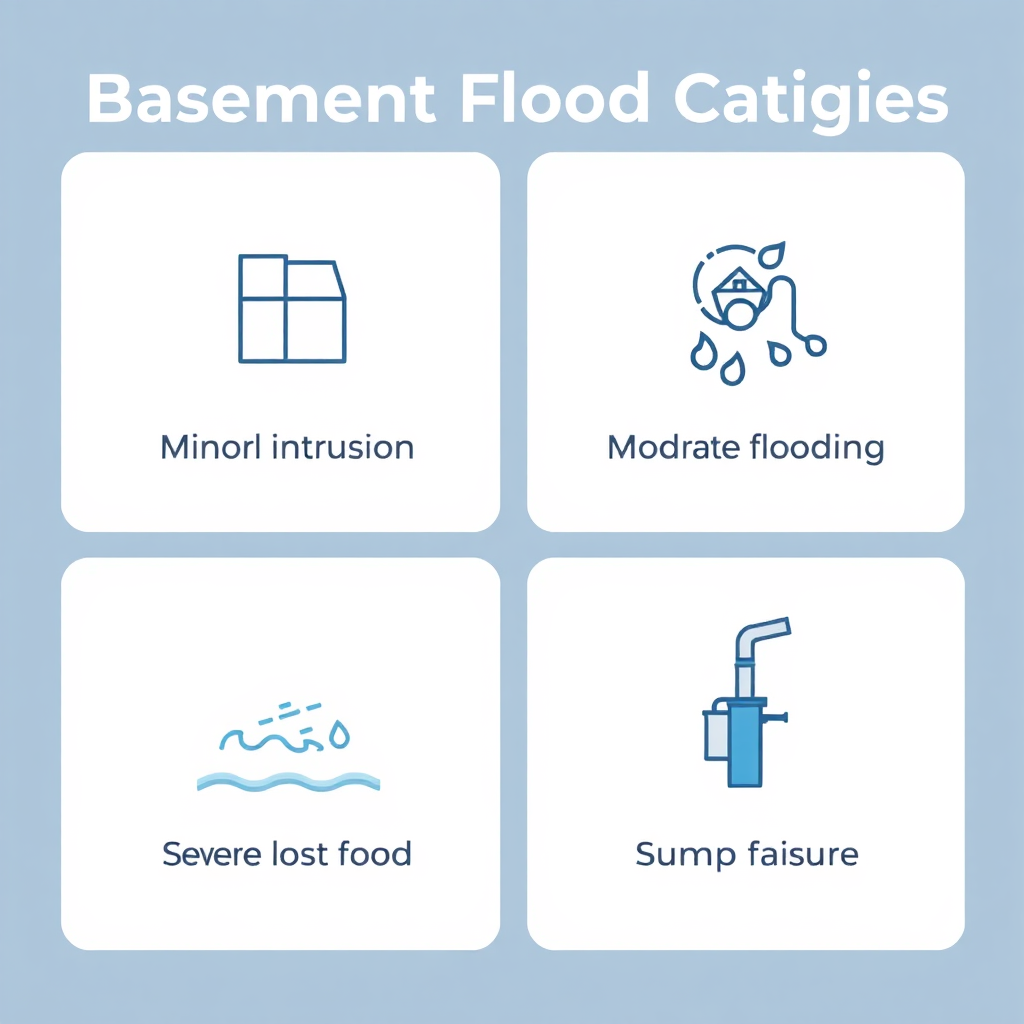
| Minor basement water intrusion | Small area, clean water, water intrusion detected early with minimal secondary damage. | $500 – $2,500 |
| Moderate basement flooding | Larger area with several inches of standing water; some porous materials affected. | $2,500 – $7,500 |
| Severe basement flooding | Significant standing water; finished basements with damaged flooring, drywall, and belongings. | $8,000 – $20,000+ |
| Sump pump failure cleanup | Failure leads to rapid water accumulation; costs depend on duration before discovery and remediation needs. | $1,000 – $5,000 |
Common Causes of Basement Flooding in Oklahoma
Oklahoma’s climate and geology create several basement-flooding pathways that are specific to below-grade spaces. Understanding these primary causes helps set expectations for remediation and informs insurance considerations, which treat different entry mechanisms in distinct ways.
Heavy rainfall, especially during Oklahoma’s intense seasonal thunderstorms, can overwhelm grading and perimeter drainage around foundation walls. When exterior grading directs water toward the basement or toward foundation walls, hydrostatic pressure increases, pushing water through cracks or porous concrete. Sump pump failures compound the risk: a pump may fail due to mechanical issues, a power outage during a storm leaves the system offline, or the unit is undersized for the volume of water entering the space. Groundwater seepage through foundation cracks or porous concrete is another common pathway, particularly after extended wet spells or rapid snowmelt followed by rain. Finally, bursts or leaks in pipes that run through the basement—often from freezing temperatures or shifting plumbing—can lead to localized flooding inside finished or unfinished spaces.
Distinguishing the source matters greatly. Internal sources like a burst pipe or a failing sump pump are typically treated as standard water damage under most homeowners policies, whereas groundwater seepage or exterior surface water that enters from outside is generally classified as flood damage, which standard policies do not cover. Insurance investigations often hinge on the mechanism of entry—whether the water breached from within or infiltrated from the exterior. Homeowners should be prepared to document sources and entry points to support the claim and understand coverage limitations.
Why "Flood" vs. "Water Damage" Is a Critical Distinction for Basements
In Oklahoma, basement flooding often involves water entering from outside the home or pooling around the foundation after heavy rainfall. This exterior water intrusion is typically classified as flood damage rather than standard water damage. Standard homeowners policies generally exclude flood damage, which means coverage for such events usually requires a separate flood insurance policy, most commonly through the National Flood Insurance Program (NFIP). Conversely, when water originates inside the home—such as a burst pipe, a failed sump pump, or an appliance leak—the resulting damage is usually considered covered water damage under a typical homeowners policy, subject to policy limits and deductibles.
Insurance investigators assess how water entered, where it originated, and the mechanism of damage. It’s common for homeowners to discover that a flood claim was denied because the entry point was exterior rather than internal, even if the damage inside the basement appears severe. Understanding this distinction helps homeowners prepare documentation and communicate clearly with insurers. In some cases, a homeowner carries both a standard policy and NFIP flood coverage, which can influence how costs are allocated for remediation, replacement, and environmental considerations like mold. This guide focuses on conveying what typically happens in these scenarios and what to expect during the claim process.
What Affects Basement Cleanup Cost
Several factors drive the overall cost of basement cleanup, and they tend to be more pronounced in below-grade spaces.
- Finished vs. unfinished basements: Finished spaces (carpet, drywall, furnishings) require additional materials replacement (carpet removal, wall repair, insulation), which elevates costs compared with unfinished concrete floors and minimal furnishings.
- Water duration: The longer standing water remains, the greater the risk of mold growth and wood/frame deterioration, which increases labor, material needs, and drying time.
- Specialized equipment: Submersible pumps, industrial dehumidifiers, and high-capacity air movers may be necessary for efficient extraction and thorough drying, particularly in damp, enclosed basements.
- Structural drying needs: Wood framing, subflooring, or joists may require targeted drying strategies to prevent long-term warping or deterioration.
- Mold risk and remediation: Extended exposure elevates mold risk, which, if identified, can add to project scope and cost.
Insurance coverage and deductibles can complicate the math. In scenarios where water damage is covered, remediation costs may be processed differently than flood-related repairs, and some expenses (like complete carpet replacement or structural repairs) may fall under separate policy terms. Homeowners should expect a professional assessment to determine whether structure or materials will need replacement, and what portion may be recoverable under a given policy.
Basements and Mold Risk: Why Speed Matters
Basements are inherently prone to mold growth after flooding due to limited natural ventilation and persistent humidity below grade. Water-damaged porous materials like drywall, insulation, and carpeting can become mold substrates if not addressed rapidly. The key to minimizing mold-related costs is rapid extraction and drying. When high-velocity air movers and dehumidification equipment are deployed within 24 to 48 hours of exposure, moisture levels in structure and contents drop quickly, reducing the chance of mold colonization and lowering total remediation needs.
If mold has already developed, readers should consult reputable guides or a licensed professional for assessment and remediation. See RestoreOKLA's mold remediation cost guide for context on typical costs and scopes, noting that early intervention is often far more cost-effective than addressing established mold growth later.
Steps to Take After Basement Flooding
- Electrical safety first: Do not enter areas with standing water near outlets or electrical panels. If safely possible, shut off power to the affected area at the main panel before entering.
- Document what you see: Take photos and video of standing water levels, damage to walls, flooring, and stored belongings before any removal or cleanup begins.
- Identify the water source if possible: Understanding whether the flood is from an internal source (pipe, appliance), or external intrusion (groundwater, rainwater) affects remediation steps and insurance handling.
- Move valuables to a dry area: Safely relocate valuables or sentimental items to minimize secondary damage while you assess next steps.
- Start extraction promptly: If safe, begin removing standing water and using fans and dehumidifiers to start the drying process. Quick action can reduce overall remediation time and costs.
- Ventilate and monitor moisture: Once bulk water is removed, run fans and dehumidifiers continuously and monitor moisture levels to prevent hidden growth and future damage.
- Notify your insurer: Report the incident and clarify coverage based on the water source. Understanding what type of coverage applies will shape the next steps with a claims process.
Frequently Asked Questions
Coverage depends on the source of the water. Internal sources like a burst pipe or sump pump failure are typically considered covered water damage under standard homeowners policies, subject to limits and deductibles. Water entering from outside—the result of heavy rainfall or overflow—may be classified as flood damage, which standard policies generally do not cover; flood coverage is usually provided through NFIP or another flood policy. Always check your specific policy and consult your insurer for confirmation on your situation.
Look for consistent water sources near plumbing lines or appliances, along with signs of a burst or leak (wet spots, pressure marks, or condensation on pipes). Groundwater intrusion often results in damp, musty odors without a single localized leak and may come with exterior evidence like pooled water around the foundation after rain. An inspector or licensed contractor can often determine the entry path through dye tests, moisture assessments, and review of plumbing systems.
Cleanup times vary with extent. Small intrusions may wrap in a few days, while moderate to severe floods involving finished spaces can take a week or more for extraction, drying, mold assessment, and material replacement planning. If mold remediation is needed, total duration increases accordingly. A professional assessment can provide a more precise timeline.
If carpet has prolonged exposure to standing water or is contaminated, replacement is often advisable due to mold risk and structural concerns. Drying carpet remnants without removing the pad can leave persistent moisture and hidden mold. A professional assessor can determine feasibility, but most scenarios involving future humidity and health concerns prefer carpet and pad replacement paired with thorough duct and substrate drying.
Coverage for sump pump failure depends on the policy. Some homeowners policies cover sudden, accidental failures that lead to interior damage, while others exclude or limit coverage for damage caused by maintenance issues or wear on the sump system. If sump pump failure leads to flood damage, flood insurance may come into play for the water intrusion pathway. Review policy terms and consult with your insurer for specifics on your plan.
This content is educational and informational only and is not professional restoration or insurance advice. Final pricing depends on an on-site assessment by licensed professionals. Homeowners should obtain quotes from licensed local water damage professionals and confirm coverage details, including whether flood insurance applies to their specific situation, directly with their insurer.