Introduction
Fire damage presents a stark disruption to a home and to lives. Unlike flood damage, fire is one of the perils most commonly covered by standard homeowners insurance, but the reality of coverage is nuanced. Policy language, limits, deductibles, and the claims process can surprise homeowners—especially when smoke damage is visible in areas that never burned, or when wildfire-specific underwriting changes rise in certain regions. This guide outlines what a typical Oklahoma homeowners policy covers after a fire, how damage is split between structure and belongings, and practical steps to navigate temporary housing, deductibles, and claim settlements. It emphasizes education and clarity, not selling services.
Readers should know this guide explains common industry practices while noting that exact coverage depends on your policy language and insurer. Always check your specific policy and consult a licensed agent for policy-level questions. For general consumer guidance or complaints, the Oklahoma Insurance Department (oid.ok.gov) is a resource.
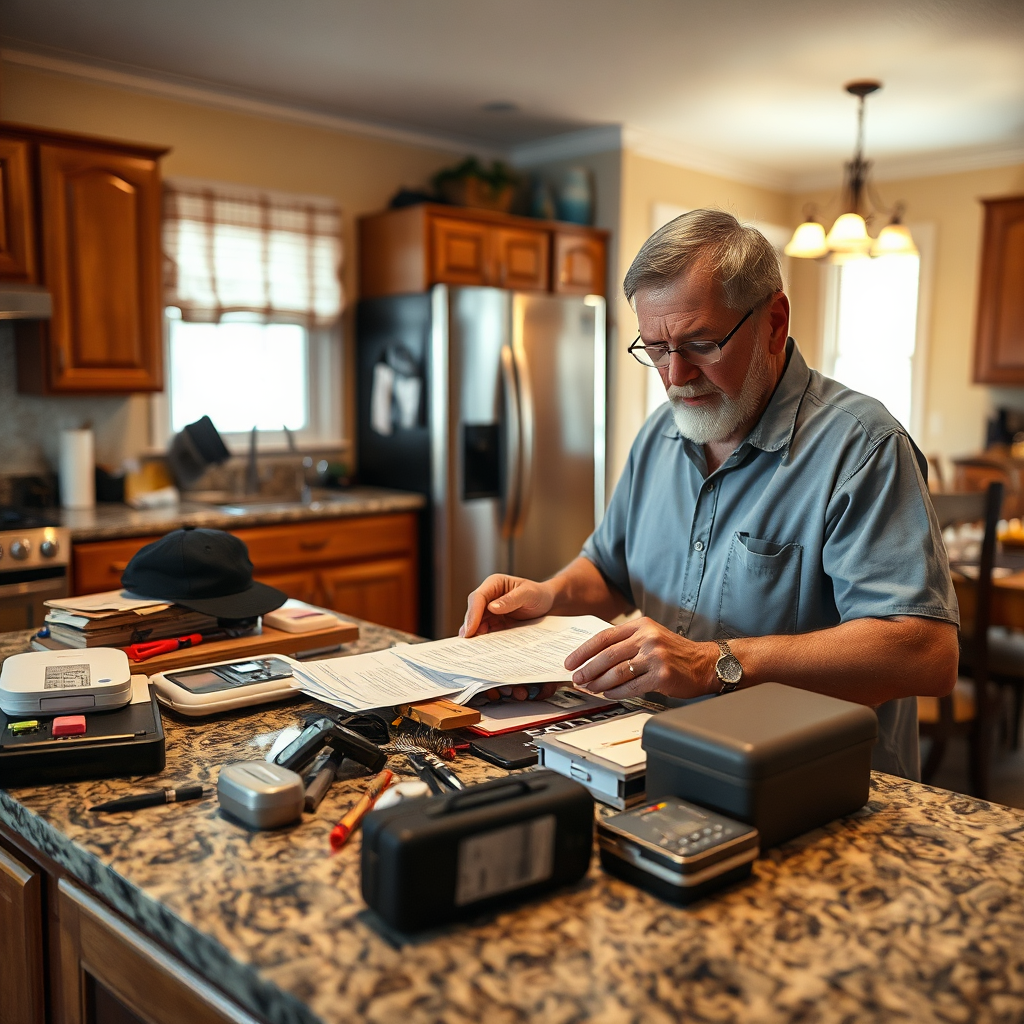
Structural Damage vs. Personal Property: Two Separate Coverage Types
In most standard homeowners policies, fire coverage is organized into distinct categories to help homeowners understand what gets repaired, rebuilt, or replaced. TheDwelling coverage portion applies to the structure itself—think walls, roof, built-in systems, and other components that comprise the home’s frame and shell. This coverage is intended to pay to repair or rebuild the home up to the policy’s dwelling limit if a covered peril, like fire, causes damage.
Detached structures—such as a garage, shed, or fence damaged by fire—fall under Other Structures coverage. This portion is typically capped at a percentage of the dwelling limit, commonly around 10%, though some policies may differ. That means if the dwelling limit is $300,000, Other Structures coverage might provide up to $30,000 for those detached structures.
Belongings—furniture, electronics, clothing, and other personal property—are addressed under Personal Property coverage. This coverage is generally expressed as a percentage of the dwelling limit, often in the range of 50–70%. For a $300,000 dwelling limit, Personal Property might provide between $150,000 and $210,000 in coverage for losses to belongings.
Homeowners frequently underestimate how quickly personal property losses add up after a total or near-total fire loss. The value of furniture, electronics, clothing, keepsakes, and even small appliances can accumulate. A detailed home inventory—completed before a loss or compiled afterward with photos, receipts, and notes—makes it much easier to substantiate items, establish values, and support the claim during settlement negotiations.
- Dwelling = repair/rebuild of the home itself, up to the dwelling limit.
- Other Structures = detached structures, typically up to ~10% of dwelling limit.
- Personal Property = belongings, typically ~50–70% of dwelling limit.

Additional Living Expenses (ALE): Coverage for Temporary Housing
ALE coverage helps with costs for temporary housing, meals, and other reasonable expenses when the home is uninhabitable due to fire repairs. This can include hotel stays or short-term rentals, plus the incremental cost of meals and related necessities that exceed normal living expenses.
In most standard policies, ALE is not open-ended. It is limited either as a percentage of the dwelling limit (commonly around 20–30%) or by a time cap (often 12–24 months), whichever comes first. This cap is designed to provide a practical bridge while repairs are underway, not an indefinite subsidy.
Homeowners should document every ALE-related receipt or invoice. Insurers typically reimburse against documented expenses rather than offering a flat, pre-approved amount. Keeping receipts and a running tally helps ensure reimbursements align with actual costs.
Example: For a $300,000 dwelling limit, ALE could cover up to $60,000–$90,000, depending on the policy and time frame.

Policy Limits and Deductibles: What Homeowners Actually Pay
The claim amount starts with the deductible. For most homeowners in Oklahoma, the fire claim deductible is a flat dollar amount—commonly $500–$2,000. Some insurers, particularly for wind/hail-related fire causes, may apply percentage-based deductibles similar to other perils. In any case, the deductible is subtracted from the amount payable for covered losses.
If repair or rebuild costs exceed the dwelling limit, homeowners typically must cover the difference unless they hold Extended Replacement Cost (ERC) coverage. ERC increases the payout ceiling beyond the stated dwelling limit—often by 25–50%—which can be meaningful for homes in markets with rising construction costs. This add-on is worth discussing with an agent, especially for older homes or properties in areas where reconstruction may be more expensive than the original dwelling limit.
Beyond that, many homeowners underestimate the impact of partial losses. A total fire loss may still involve portions of the home and contents beyond the main dwelling, and reconstruction pricing changes over time. A careful review of limits for Dwelling, Other Structures, and Personal Property helps ensure the policy aligns with potential repair costs and replacement values.
- Deductibles apply per covered loss—not per item. If multiple claims occur in a policy term, each new claim could trigger a separate deductible unless the insurer applies a higher aggregate deductible policy.
- Extended Replacement Cost coverage can be valuable for high rebuild costs or in markets with rapid construction price increases.
- Check whether your policy includes inflation guard or ERC, and confirm any endorsements that raise limits beyond the base dwelling amount.

Wildfire Damage vs. Accidental House Fire: Is Coverage Different?
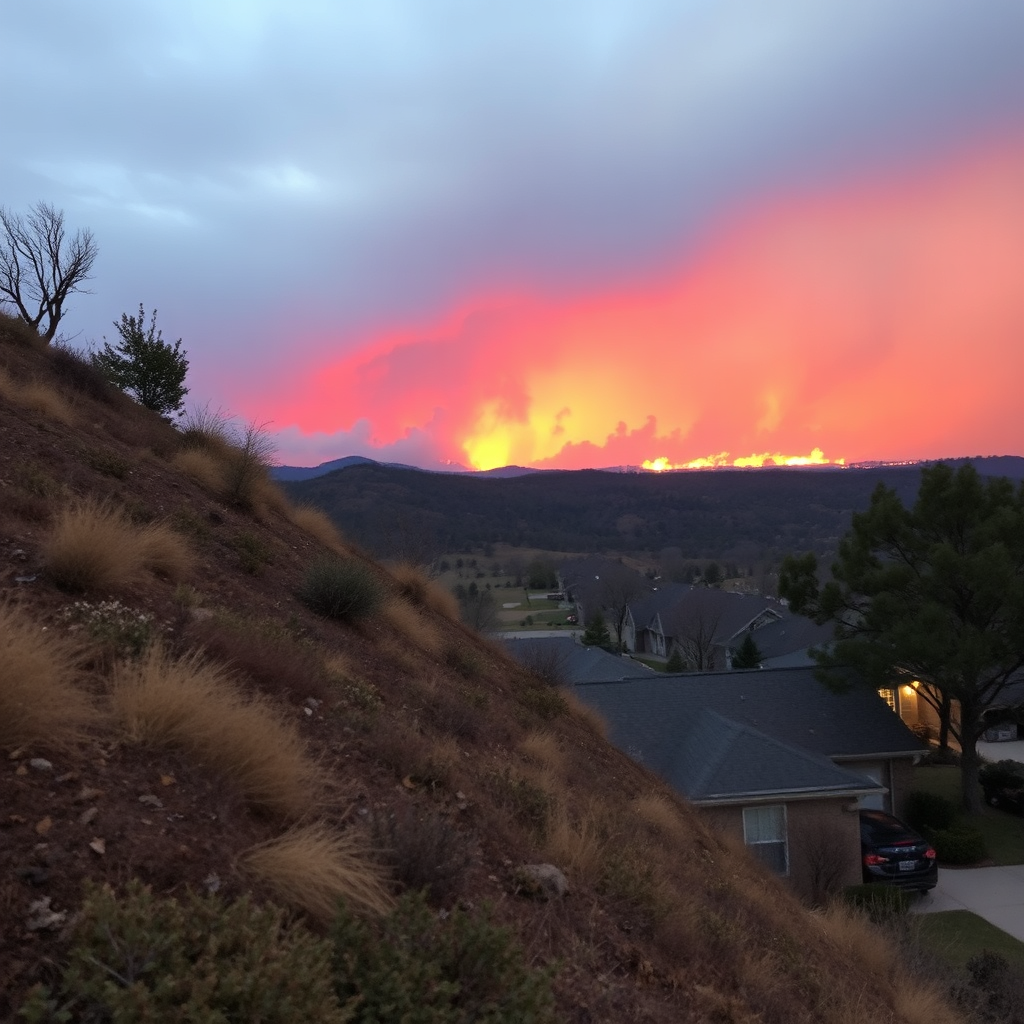
In most standard homeowners policies, wildfire damage is included under the same fire peril that covers accidental house fires. Insurers generally do not differentiate coverage based on ignition source when evaluating whether damage is covered for a given peril. However, the underwriting landscape is evolving—especially in Oklahoma’s higher wildfire-risk regions.
In western and central Oklahoma, some insurers have begun adjusting underwriting practices, premiums, or requiring wildfire mitigation steps (for example, defensible space around the home, fire-resistant roofing, and ember-rated soffits) as conditions for renewal. High-risk zones may see more frequent non-renewals or restrictions over time as part of broader risk-management strategies. Homeowners in these areas should proactively discuss wildfire risk, mitigation steps, and policy options with their agent before a loss occurs.
- Fire-related claims are generally evaluated under the fire peril; ignition source is not typically a deciding factor in coverage eligibility.
- In wildfire-prone zones, talk with your insurer about mitigation requirements and renewal practices to avoid surprises at claim time.
Smoke Damage: What's Covered and What's Often Disputed
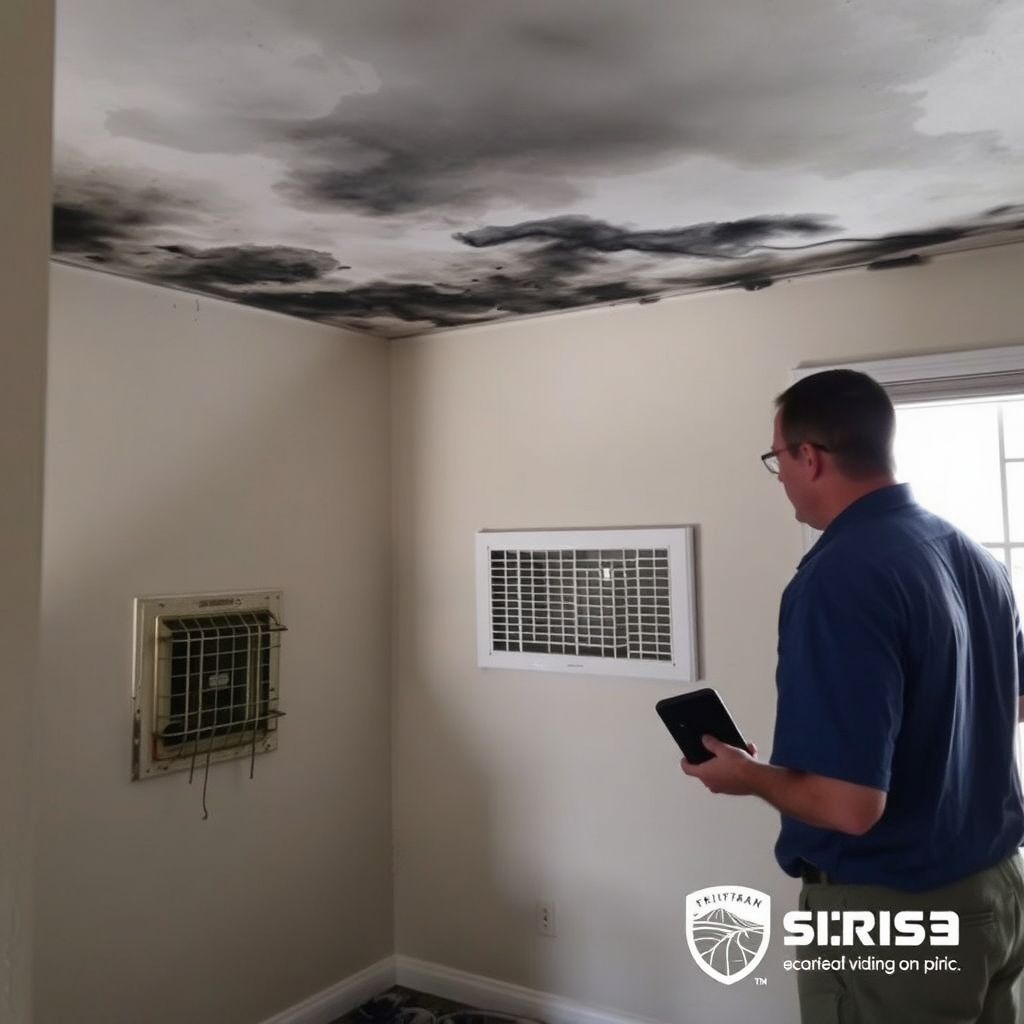
Smoke and soot damage are typically covered as part of a fire claim, but insurers often dispute the extent of damage in areas not directly touched by flames. Odor infiltration in HVAC systems and walls, as well as soot accumulation in rooms that appeared intact, can create disagreements about scope and required cleanup.
Additionally, homeowners frequently encounter disputes over whether items affected by smoke should be professionally cleaned or replaced. Cleaning can be effective for many items, but deeply penetrated materials (e.g., upholstery, fabrics, and electronics) may require replacement. An independent assessment can help resolve disagreements over the appropriate resolution.
To avoid delays, document smoke-related damage with photos and keep any professional cleaning estimates or assessments. If you disagree with the insurer’s determination, consider obtaining an independent assessment to support your position.
- Smoke damage coverage often relies on the extent of contamination and cleaning feasibility.
- Independent assessments can help when disputes arise about coverage for odor, residue, or structural contamination.
How to File a Fire Damage Claim in Oklahoma: Step-by-Step
- Step 1: Ensure safety and obtain fire department clearance before re-entering the property. Safety first
- Step 2: Contact your insurer immediately to report the claim and ask about an emergency advance for immediate needs.
- Step 3: Document everything with photos and video, including areas with smoke damage even where nothing visibly burned.
- Step 4: Create a detailed written inventory of damaged or destroyed personal property, including estimated values, for the adjuster.
- Step 5: Meet with the adjuster during their inspection and personally point out all damage, including smoke infiltration in rooms that look unaffected.
- Step 6: Get independent repair estimates if you want to verify the adjuster’s figures, especially on a large claim.
- Step 7: Keep every receipt tied to ALE expenses (hotel, meals, temporary storage) since these are typically reimbursed against documentation, not estimated.
If you have concerns about how your claim is being handled, you can contact the Oklahoma Insurance Department for guidance or to file complaints. The department’s resources can help you understand your options and next steps.
Oklahoma Insurance Department: oid.ok.gov — search for consumer guidance, filing a complaint, and questions about claim handling.
What to Do If Your Fire Claim Is Denied or Underpaid
If you believe a claim was wrongly denied or underpaid, start by requesting a written denial explanation from the insurer. Review the reasons given and compare them against your policy language. You can then seek an independent contractor or public adjuster assessment to provide a second opinion on damages and costs.
Request a formal reinspection if new information or documentation becomes available. If you still disagree, you can file a complaint with the Oklahoma Insurance Department. The department can review your case, provide guidance, and help ensure fair handling within the bounds of state law and policy language.
- Ask for a formal written explanation and review the policy language carefully.
- Obtain independent assessments and compare with the insurer’s estimates.
- File a complaint with the Oklahoma Insurance Department if warranted.

FAQ
Does homeowners insurance cover wildfire damage in Oklahoma?
How much additional living expense coverage do I typically have during fire repairs?
Will my insurance company drop me after a fire claim?
Does insurance cover smoke damage even if my house didn't burn?
What happens if my fire damage repair costs exceed my dwelling coverage limit?
Closing Disclaimer
This content is general educational information only, not legal or insurance advice. Actual coverage, limits, deductibles, and claim outcomes depend entirely on your specific policy language and your insurer. Readers should consult a licensed insurance agent for policy-specific questions and guidance. For general consumer guidance and complaint resources, the Oklahoma Insurance Department (oid.ok.gov) is a valuable resource.