Introduction
When water intrudes in a rental, it’s easy to feel overwhelmed by competing claims of responsibility. Some tenants worry their landlord’s insurance will cover every loss, while others assume they must bear the full cost of replacement for damaged belongings. In truth, established rental relationships follow a split pathway: the physical structure—the walls, floors, plumbing, and fixtures—typically sits on the landlord’s policy, while tenants who carry renters insurance protect their personal property and related costs. Across Oklahoma, a significant share of renters do not carry renters insurance, often unaware of the gaps this creates when a water incident occurs. This guide explains how the split works, what is typically covered, and how renters and landlords can navigate a water-damage event with clarity.

What Renters Insurance Actually Covers in a Water Damage Situation
Renters insurance, often issued as an HO-4 policy, centers on protecting the tenant’s personal property and providing a safety net when a covered water event occurs. Personal belongings—furniture, electronics, clothing, appliances you own—are typically covered if damaged by a qualifying incident such as a burst pipe, a sudden appliance failure (for example, a failed water heater), or a storm-driven leak that enters your unit. This coverage travels with you, not with the building, and it is designed to help you recover personal losses without shouldering the full financial burden alone.
In addition to property protection, renters insurance usually includes loss-of-use coverage. If the rental becomes uninhabitable during repairs, this coverage can pay for temporary lodging, meals, and other living expenses you incur while you’re displaced, up to the policy limits. Liability coverage is another essential facet: if your negligence—such as an overflowing tub or a leaking appliance—causes damage to another unit or its property, your renters policy may help cover legal and repair costs up to the liability limit. This trio of protections—contents, loss of use, and liability—provides a practical, tenant-focused safety net in a water-damage scenario.
It’s important to remember that coverage specifics depend on your exact policy language, limits, and endorsements. Deductibles, sub-limits on certain categories (like valuables), and exclusions will shape how much you can recover. Reading your policy declarations and speaking with your insurer will clarify what qualifies as a “covered event” for your situation.
What Renters Insurance Does NOT Cover
A fundamental distinction is that renters insurance does not insure the building itself. Damage to the structure—walls, flooring installed by the developer, plumbing within the unit, fixtures anchored to the unit—falls under the landlord’s property or liability policy. Your policy focuses on your personal property and related costs, not the physical structure you are renting.
There are several typical exclusions to be aware of. Flood damage is almost always excluded and requires a separate flood insurance policy, which is generally purchased by the building owner rather than tenants. Gradual leaks or damage arising from deferred maintenance or lack of upkeep on the part of the landlord are usually not covered by a standard renters policy; rather, the landlord bears responsibility for addressing maintenance issues and any resulting liability. Sewer back-ups often require a specific rider or endorsement; without it, this damage may not be covered by a basic policy.
Who's Responsible: Tenant's Renters Insurance vs. Landlord's Insurance
| Scenario | Responsible Party |
|---|---|
| Tenant's personal belongings damaged by a sudden/covered event | Tenant's renters insurance |
| Structural damage (walls, flooring, plumbing) in the unit | Landlord's property insurance |
| Temporary relocation costs during repairs | Tenant's renters insurance (loss of use) |
| Damage caused by tenant negligence to the unit or a neighboring unit | Tenant's renters insurance liability coverage |
| Flood damage to the building | Landlord's separate flood policy, if any |
| Gradual damage from deferred building maintenance | Landlord's responsibility, not an insurance claim for the tenant |
Sudden vs. Gradual Damage: The Same Rule Applies to Renters
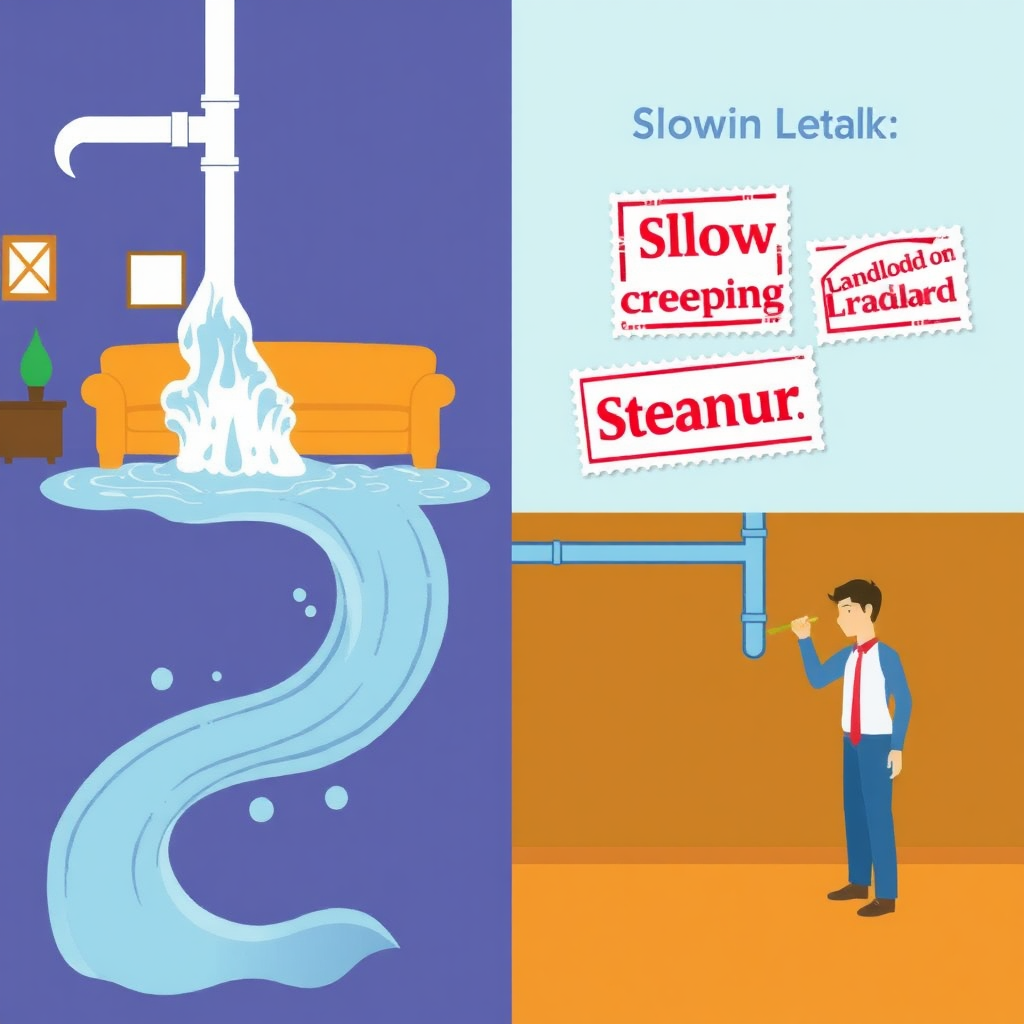
Renters insurance operates under a standard of “sudden and accidental” events, similar to many homeowners policies. A pipe that bursts without warning typically qualifies as a covered event, triggering claim payment for damaged personal property and related costs if the loss is within policy limits. By contrast, a slow, ongoing leak that developed over weeks or months due to landlord maintenance issues is generally not covered as a sudden event. In those cases, the legal responsibility often sits with the landlord, who may be liable for damages resulting from untreated defects.
The practical takeaway: document when issues began, communicate promptly with the landlord, and understand that the insurance pathway for tenants is aimed at fixed, identifiable incidents. Always read your own policy to confirm what qualifies as a covered occurrence and the applicable deductibles and limits.
Oklahoma-Specific Considerations
Oklahoma experiences a climate with freeze-thaw cycles that can contribute to burst pipes in older rental properties, particularly during cold snaps followed by warming days. When pipes burst, the resulting water damage can be sudden and widespread, underscoring why renters should understand how coverage works for personal property and displacement costs. Additionally, Oklahoma’s severe spring storms and occasional heavy rainfall can lead to roof leaks or interior water intrusion in upper-floor units. While landlords carry the property policy for the building structure, tenants still face the risk of personal-property loss and potential displacement costs if a unit becomes uninhabitable.
Importantly, Oklahoma law does not require landlords to carry insurance that specifically covers a tenant’s belongings. That gap is precisely why renters insurance exists as a separate product. Tenants should verify whether their lease requires insurance and ensure their policy aligns with the level of risk in their building. For questions about coverage specifics and how policy language applies in Oklahoma, consult the Oklahoma Insurance Department (OID) at oid.ok.gov.
What to Do If You Experience Water Damage as a Renter
- Notify your landlord or property manager immediately in writing (email or text). A paper trail helps support timelines and responsibilities if disputes arise during repairs.
- Document all damage to belongings and the unit thoroughly with photos and video before any cleanup begins. Capture the extent of water intrusion, affected items, and any immediate hazards.
- Contact your renters insurance provider if you have coverage to initiate a claim for damaged personal property and to discuss loss-of-use coverage, if applicable.
- Ask your landlord about temporary relocation if the unit becomes uninhabitable during repairs, and request written confirmation of any approved accommodations or reimbursements.
- Keep all receipts and communications: rental receipts for temporary lodging, replacement items, and any repair-related costs. This documentation may be needed for a claim or for resolving a dispute with the landlord or insurer.
If the damage affects multiple tenants or appears to stem from structural issues or landlord neglect, consider seeking guidance from a local legal aid organization or a landlord-tenant attorney. This guide explains general concepts and does not constitute legal advice; policy specifics and lease terms will govern the actual outcomes.
What If You Don't Have Renters Insurance?
Without renters insurance, tenants generally bear the cost of replacing damaged personal belongings out of pocket. The landlord’s policy covers only the structure and, in some cases, limited liability for injuries or damages to the building they own. This means that a flooded living room couch, a damaged laptop, or ruined clothes may require you to shoulder the financial loss yourself, even if the damage was caused by a plumbing failure or a neighboring unit’s incident.
Renters insurance tends to be affordable relative to the protection it provides. It often covers a spectrum of common risks, including fire, theft, certain water-related incidents, and loss-of-use scenarios. For many tenants, the cost is modest compared to the potential out-of-pocket burden when disaster strikes. Some landlords even require proof of insurance as a lease condition, recognizing the value of tenant protection and the overall health of the rental ecosystem.

FAQ
Does my landlord's insurance cover my damaged furniture?
Generally, no. A landlord’s policy covers the building structure and, in some cases, certain liability risks related to the property. Your personal belongings—the furniture, electronics, clothing—are typically protected by your own renter’s insurance. There can be exceptions if you have a specially endorsed rider, but that is not standard and should be confirmed with the insurer.
Is renters insurance required in Oklahoma?
Oklahoma law does not impose a statewide mandate requiring renters to carry renters insurance. However, many landlords require it as a lease condition, and some property managers insist on proof of insurance before move-in. Check your lease agreement and speak with your landlord to understand any specific requirements for your building.
What does "loss of use" coverage mean for renters?
Loss of use covers additional living expenses when your rental becomes uninhabitable due to a covered loss. This can include hotel or temporary housing costs, meals, and other reasonable living expenses while repairs are underway, up to policy limits. It does not cover every possible expense, so review your limits and exclusions to know what is eligible.
Can I withhold rent if my apartment has unrepaired water damage?
Withholding rent is not a blanket remedy and may violate lease terms or state law. Oklahoma law provides specific procedures for handling repair issues and rent-related disputes. Before withholding rent, consult the lease, seek legal guidance, and consider mediation or contacting a legal aid resource. This guide cannot provide legal advice, and you should verify your rights under Oklahoma landlord-tenant statutes.
How much does renters insurance typically cost in Oklahoma?
Typical monthly premiums for basic renters coverage in Oklahoma can range from around $15 to $30 or more, depending on factors like dwelling size, coverage limits, deductible, and whether you add endorsements (such as flood or valuable items riders). Higher limits or additional perils can raise the price, but many tenants find the protection worthwhile relative to potential loss exposure. Always obtain quotes from reputable insurers to compare.
Disclaimer
This article provides general educational information only and is not legal or insurance advice. Actual coverage depends on the specific terms and endorsements of a tenant’s renters insurance policy and a landlord’s separate property policy. Readers should review their lease agreement, contact their insurance provider for policy details, or consult the Oklahoma Insurance Department (oid.ok.gov) or a landlord-tenant legal resource for situation-specific guidance.