Full Home Reconstruction Cost After Major Damage in Oklahoma
Introduction
When damage exceeds what standard repair can address — whether from a severe tornado, a major fire, or a catastrophic water event — homeowners face a fundamentally different cost category: full or partial reconstruction. Reconstruction costs are driven primarily by scope (partial vs. full rebuild), local labor and material costs, and current construction pricing, which has risen in recent years. In Oklahoma, where weather extremes and regional demand can impact availability, understanding these dynamics is essential for planning, insurance conversations, and contractor selection. This guide explains what to expect, outlines typical cost ranges, and highlights key insurance considerations, so readers can plan with clarity. RestoreOKLA is a free, independent informational resource that helps homeowners understand costs; this site does not perform contracting work or offer quotes.
Note: this guide is focused on education and planning. Always obtain quotes from licensed local professionals and verify coverage details with your insurer.
Detailed Cost Table
| Reconstruction Type | Typical Cost Range (Oklahoma) | Notes |
|---|---|---|
| Partial reconstruction | $20,000 – $75,000+ | Single major area (one/two rooms) or a single roof/structural section. |
| Major reconstruction | $75,000 – $150,000+ | Substantial portion of the home; multiple systems affected (structural, electrical, plumbing, roof). |
| Full home rebuild | $150,000 – $300,000+ (typical Oklahoma single-family) | Rebuilding from foundation up; varies with square footage and finish level. |
Note: per-square-foot new construction costs in Oklahoma commonly run in a broad range depending on finish quality. A full rebuild is generally priced closer to new home construction rates than to standard repair rates, reflecting the scope and requirements of rebuilding to current standards.
The ranges above reflect typical scenarios in Oklahoma and are intended as planning guidance. Exact costs depend on site specifics, contractor choices, and market conditions at the time of rebuilding.
What Drives Reconstruction Cost
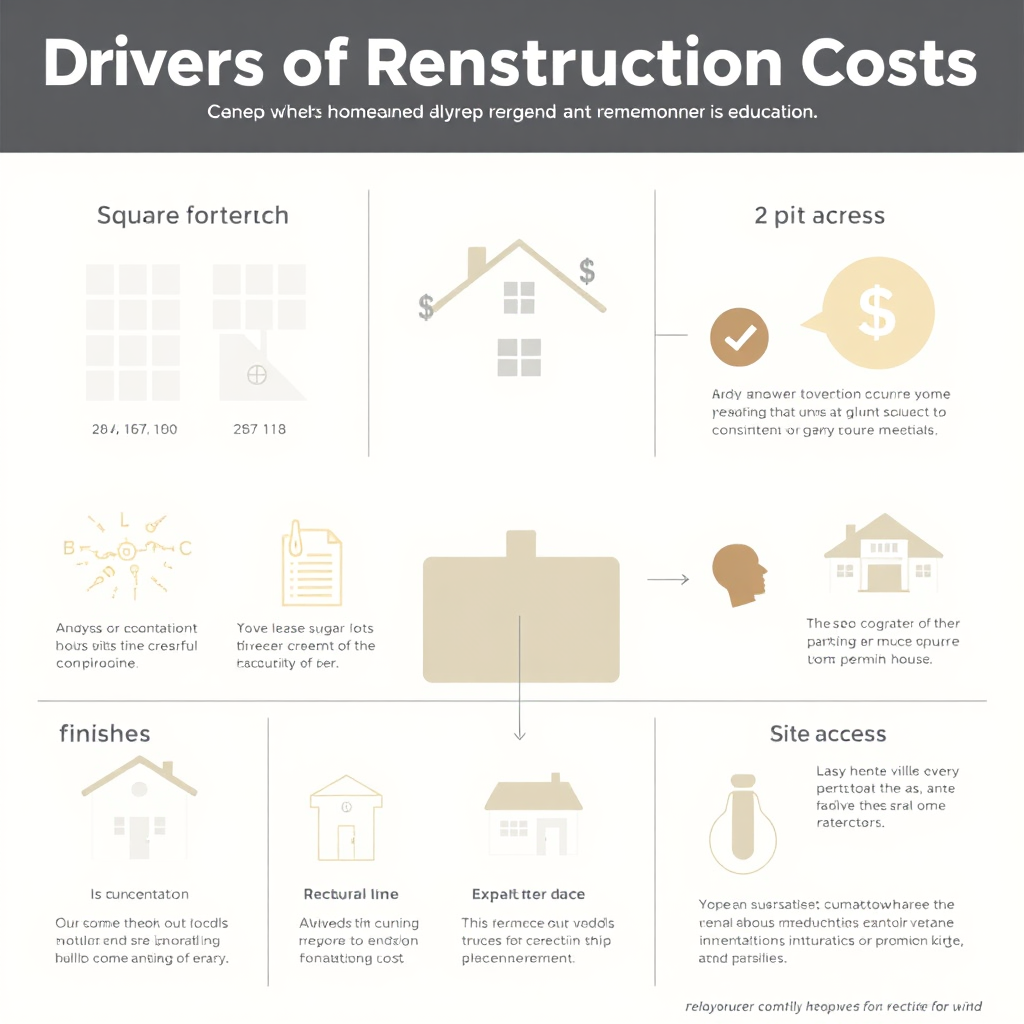
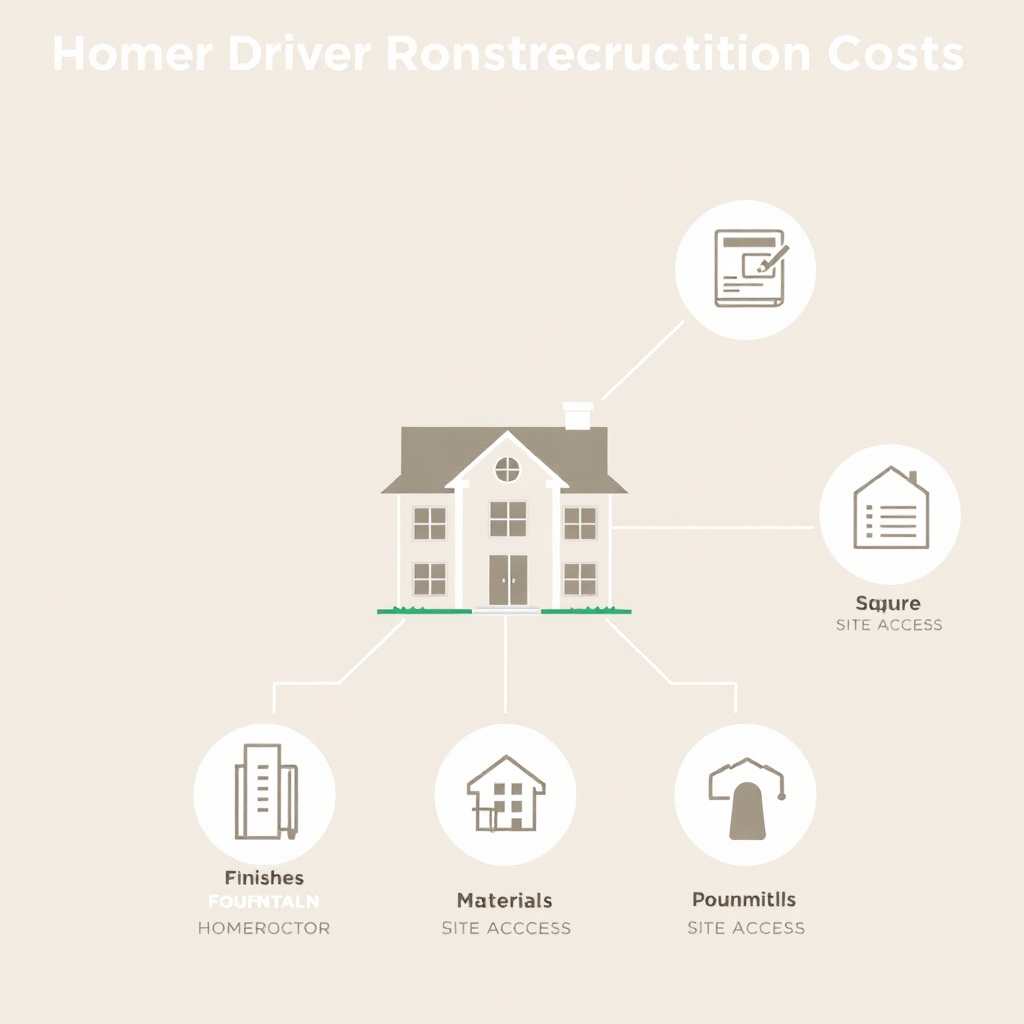
Rebuilding a home after major damage is fundamentally different from routine repairs. The total cost hinges on several interrelated factors, all of which influence budget planning, insurance considerations, and timelines. Homeowners should expect that every square foot rebuilt contributes to overall cost, but the finish level and structural scope account for the majority of variance in bids. The following factors are the most impactful:
- Total square footage being rebuilt. Larger homes require more materials, more labor hours, and often longer project durations. Even small increases in square footage can significantly drive up costs when paired with higher finish levels or complex layouts.
- Finish level (builder-grade vs. custom/upgraded finishes). Standard, builder-grade finishes are substantially less expensive than premium kitchens, luxury baths, custom cabinetry, and specialty flooring. Upgrades can raise costs by tens of thousands or more, especially if the design includes unique architectural details or specialty materials.
- Foundation status and structural needs. If the foundation has sustained damage or if the rebuild requires a new layout, underpinning, or reinforcement, project complexity and price rise accordingly. If the foundation remains intact but needs verification or minor repairs, costs may be lower than a full structural rebuild.
- Current material and labor costs, and market conditions. Construction pricing fluctuates with regional demand. After widespread disasters, material shortages and skilled-labor constraints can spike bids and scheduling times, even for planned rebuilds.
- Permitting and code-compliance requirements. Rebuilding to current codes can add costs beyond the original construction, particularly if electrical, plumbing, or structural codes have changed since the home was built. Zoning and energy-efficiency requirements may also impact pricing.
- Site access and logistics. Limited access for equipment, restricted staging areas, and proximity to utilities influence labor productivity and overall cost. Rural sites or tight urban lots may require longer timelines and specialized logistics.
A full rebuild often necessitates coordinating multiple trades, permits, and inspections. This complexity can introduce contingencies for weather delays, material lead times, and availability of skilled crews. Homeowners should expect that planning for potential price volatility is prudent, especially in the wake of a regional disaster where many homes are competing for the same resources.
Ordinance or Law Coverage: A Critical Gap Many Homeowners Miss
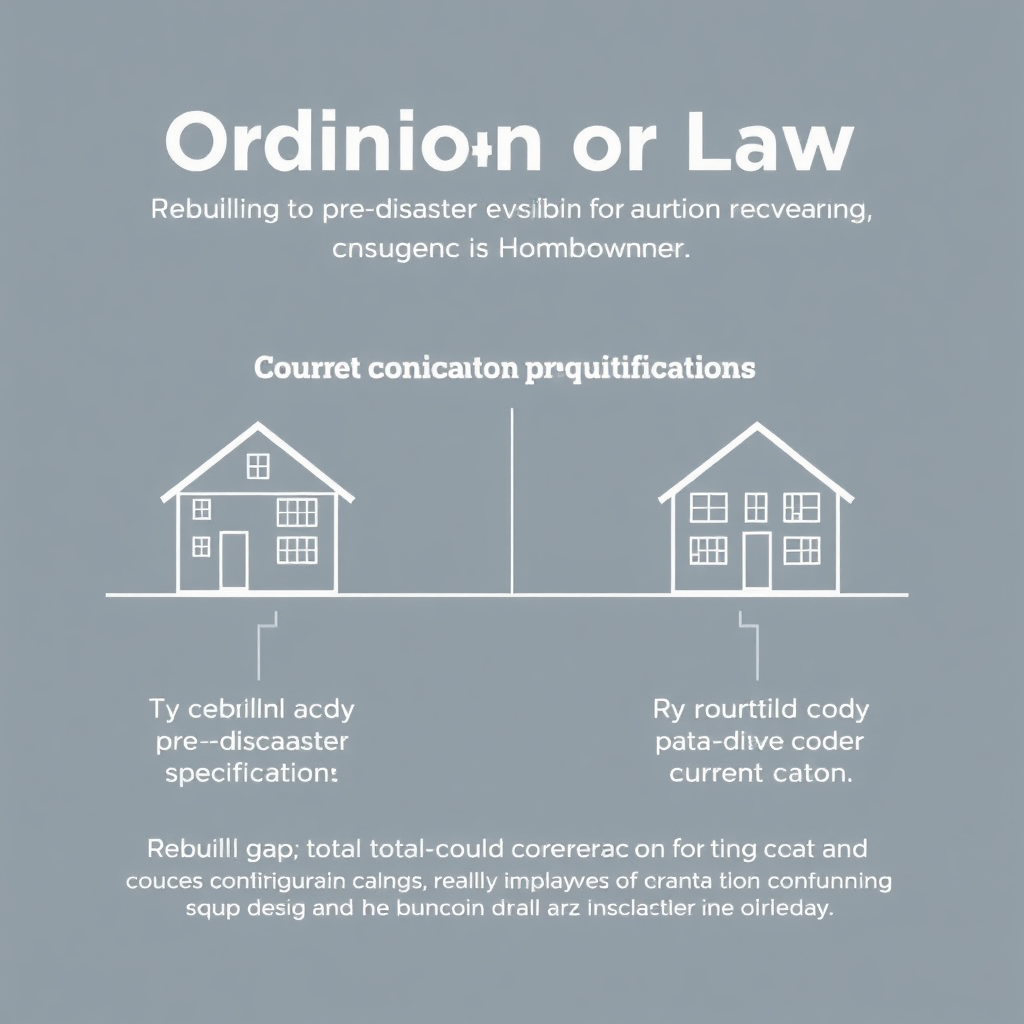
Standard homeowners policies are designed to restore a home to its pre-damage condition, not to what current building code requires today. If codes have changed since the house was originally built — for example, updates to electrical service, wiring standards, plumbing, or structural requirements — bringing the rebuilt home up to current code can entail substantial additional costs. This gap is known as ordinance or law coverage. Without it, homeowners may be responsible for tens of thousands of dollars beyond the original rebuild estimate.
Older Oklahoma homes, in particular, may face more code upgrade needs when rebuilt after catastrophic events. Common areas affected include wiring upgrades for service panels, modern arc-fault and ground-fault protections, updated water heaters and plumbing venting, and enhanced structural connections designed to meet newer wind and seismic standards. Insurance policies that include ordinance or law endorsements can help cover the cost to bring the entire rebuilt dwelling up to current code, rather than merely restoring the prior configuration.
Homeowners should verify whether their policy includes ordinance or law coverage, and understand any limits, deductibles, and exclusions. This coverage is particularly important for older homes or properties with nonstandard layouts, where the additional work to comply with modern codes can be substantial. A gap in coverage can represent a large portion of the total rebuild cost, making it essential to discuss this with an insurer before reconstruction begins.
If a policy lacks ordinance or law coverage, consider requesting a policy endorsement or exploring supplemental coverage options with an agent. Always document pre-disaster conditions and consult with a licensed professional to estimate the full scope of code-required upgrades that may be triggered by a rebuild.
Extended Replacement Cost Coverage
In a true worst-case scenario, rebuild costs can exceed even a policy’s stated dwelling coverage limit, especially during periods of high material and labor costs or after widespread regional disasters where demand for rebuilding work spikes simultaneously. Extended replacement cost coverage — sometimes called guaranteed or extended replacement cost — is an optional endorsement that can raise the payout ceiling beyond the dwelling limit, typically by 25% to 50% or more. This type of coverage helps close the gap between even a strong standard policy and the actual costs to rebuild if market conditions push prices higher than anticipated.
Homeowners should discuss extended replacement cost with their insurance agent, focusing on how limits are calculated, what triggers the coverage, and whether the endorsement applies to both material costs and labor rates. It is also prudent to assess whether there are any exclusions, caps, or required documentation to maintain eligibility during a reconstructive project. In Oklahoma, where outages in supply chains and regional demand can influence pricing, this coverage can provide a meaningful safety net for total-loss scenarios.
This section is informational and should not replace a professional insurance consultation. Always verify current policy language and endorsements with your insurer.
Timeline for Full Reconstruction
Timeline expectations vary with scope, permitting, and availability of materials and skilled trades. Partial reconstruction projects—rebuilding a single section or room—often run three to six months, while a full home rebuild from foundation up commonly takes nine to eighteen months, depending on the size of the home, finish level, and complexity of the rebuild. Permitting timelines, weather, and contractor capacity can extend timelines further, especially after widespread regional disasters that strain local resources. Homeowners should plan for potential delays, budget contingencies, and temporary housing arrangements as part of the overall project plan.
- Permitting: permit approval and inspections can add weeks to months, particularly if plans require revisions to meet current codes.
- Material availability: supply chain disruptions can lead to longer lead times for key components (e.g., trusses, windows, premium finishes).
- Labor availability: skilled tradespeople may have waiting periods during high-demand periods, affecting scheduling and milestones.
- Weather and climate: Oklahoma’s weather can cause seasonal slowdowns, particularly during severe storms and heavy rain.
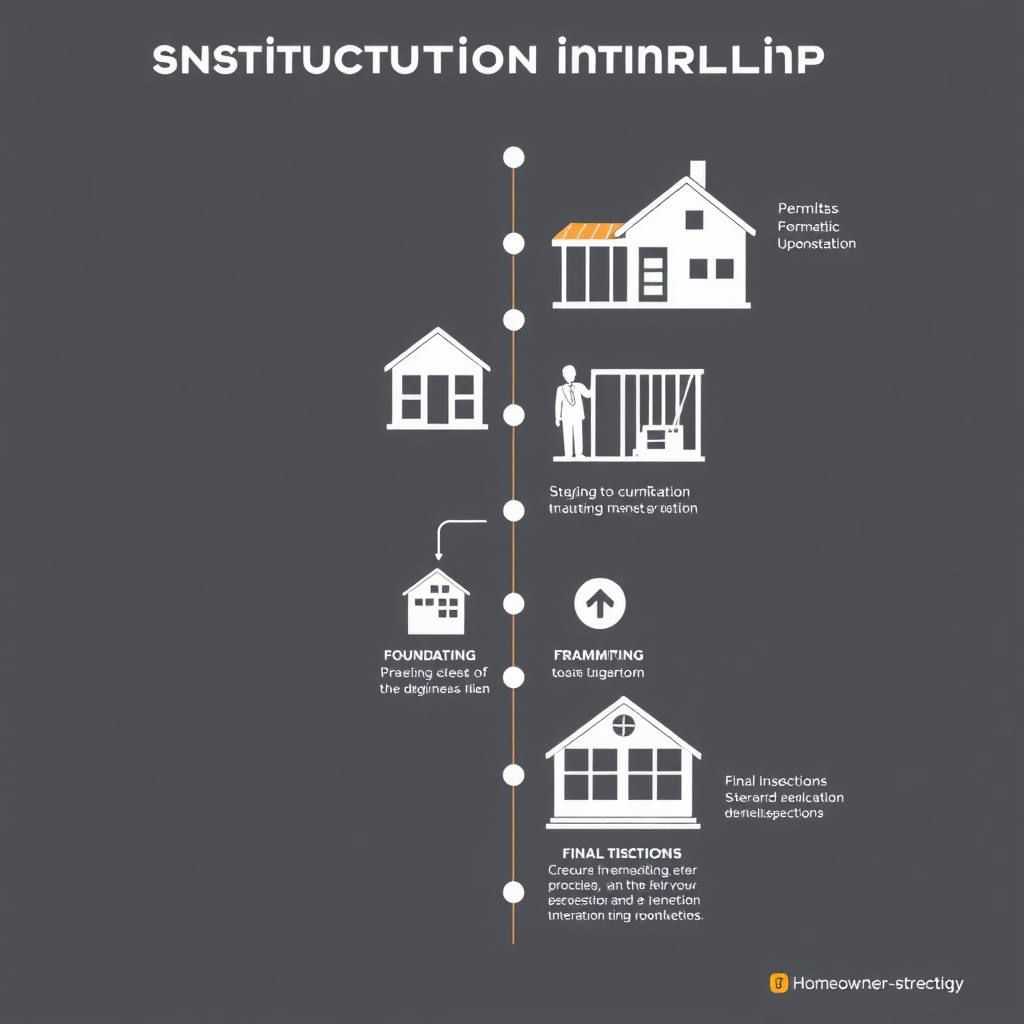
Permits, demolition, foundation, framing, utilities, insulation, interior finishes, and final inspections all contribute to the timeline. Each milestone relies on material availability and trades coordination.
Establish a contingency fund (commonly 10–20% of projected costs) to absorb price spikes, change orders, and unforeseen site conditions.
Choosing a General Contractor for Reconstruction
Selecting the right contractor is critical for a project of this scale. Homeowners should approach the process with the same rigor as engineering or architectural decisions. The goal is to secure reliable leadership, clear communication, and a well-structured plan that aligns with both the reconstruction scope and insurance considerations.
- Licensing and insurance: Ensure the contractor holds appropriate licenses for large-scale reconstruction work and maintains general liability and workers’ compensation coverage. Documentation should be requested and verified before work begins.
: Request comprehensive scope-of-work proposals from multiple contractors. Avoid relying on a single quote; compare inclusions, materials, timelines, and contingency handling. : Contact past clients with projects of similar size and scope to gauge performance, reliability, and workmanship quality. : Favor milestone-based payments tied to approved work progress rather than substantial upfront payments. Clarify what happens in the event of delays or changes in scope.
This guide emphasizes education and planning rather than vendor recommendations. Homeowners should perform their own due diligence, consult with insurers, and seek independent, professional advice tailored to their property’s specifics.
Frequently Asked Questions
Does my insurance automatically cover bringing my rebuilt home up to current building codes?
Not automatically. Rebuilding to current codes may require ordinance or law coverage endorsement. Without this, upgrades to meet modern standards can be an out-of-pocket expense. Check your policy for endorsements and discuss realistic costs with your insurer before work begins.
What happens if reconstruction costs exceed my dwelling coverage limit?
If costs exceed the dwelling limit, options include pursuing extended replacement cost coverage (if available), negotiating scope to align with coverage, or funding the gap through savings or loans. In regions with high disaster risk, extensions or endorsements can provide additional protection. Always confirm limits and potential gaps with your insurer.
How long should I expect to wait for temporary housing during a full rebuild?
Temporary housing duration varies with project scope and availability. For a full rebuild, homeowners should plan months to a year for living arrangements, depending on insurance coverage, relocation options, and the pace of rebuild milestones. Insurance may cover some living expenses during this period, subject to policy terms.
Can I upgrade finishes during reconstruction, and does insurance cover the difference?
Finishes upgrades are typically not fully covered unless the upgrade is within the insured scope and policy allowances. Premium finishes may be eligible for coverage up to the policy limits if they align with the covered scope and any applicable endorsements. Discuss upgrade allowances with your insurer and document preferred specifications in writing.
Should I use the same contractor for reconstruction as for initial cleanup/demolition?
There is no requirement to use the same contractor, and many homeowners opt for separate firms specializing in larger-scale reconstruction. The key is due diligence: verify licensing, insurance, past performance on comparable projects, and clear, written scopes of work. Coordinating between contractors can be challenging, so plan for a strong project management approach.
Related Oklahoma Homeowner Guides
This content is educational and informational only, not professional construction or insurance advice. Final pricing depends on a detailed professional assessment and current local construction market conditions. Homeowners should obtain quotes from licensed local general contractors and confirm coverage details, including ordinance/law and extended replacement cost provisions, directly with their insurance provider.