Introduction
Regardless of what caused the damage—water, fire, storm, or mold—the core insurance claims process in Oklahoma tends to follow a consistent structure. Understanding this framework, and recognizing common pitfalls before you need it, can meaningfully affect how smoothly and fully a claim is resolved. This guide serves as a general framework for homeowners. For damage-specific nuances, RestoreOKLA's dedicated per-peril guides offer deeper detail and targeted tips.
Remember: RestoreOKLA is a free, independent information resource. We do not sell policies, inspect properties, adjust claims, or represent homeowners in the claims process. Our aim is to explain the process clearly so readers can navigate with confidence.
Step 1: Ensure Safety First
Before you document or initiate any claims activity, ensure the property is safe to enter. Address immediate hazards such as downed electrical lines, gas odors, or structural instability. If you detect active danger, vacate and contact local emergency services. Only proceed with documentation once it is safe to do so.
When it is safe, take a calm, methodical approach. Do not assume you can perform a full assessment in one pass—safety and accuracy come first. If you have helpers, assign roles: one person to note hazards, another to photograph or video, and another to keep a running list of affected areas and items. This initial safety-first mindset lays the groundwork for credible documentation later in the process.
Homeowners should understand that some claims may involve temporary protective work (tarps, boarding), but undertaking such steps should not replace a careful safety assessment. If you need to perform temporary measures, photograph the area both before and after you apply protection so the documentation remains complete.
Step 2: Document Everything Before Cleanup Begins
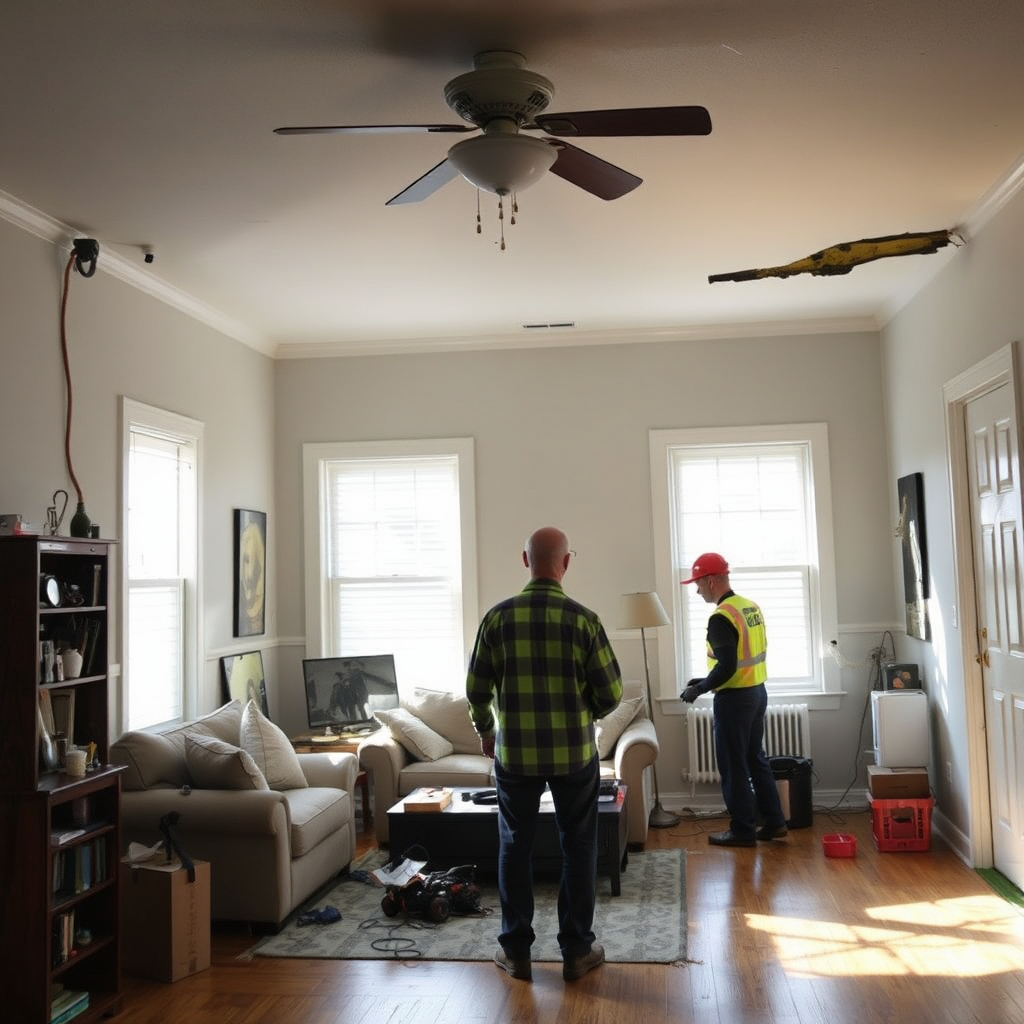
Thorough documentation is the foundation of a well-supported claim. Insurers rely heavily on initial documentation to assess the scope of damage and the required scope of repairs. Photos and videos should cover all affected areas from multiple angles, including ceilings, walls, floors, and personal property. Create a written inventory of damaged items with approximate values and purchase dates if possible.
If relevant, capture documentation related to the triggering event itself: weather reports for a storm, time-stamped photos of a burst pipe, or a security camera clip that shows when water intrusion began. Preserve any temporary protective measures only as a last resort, and photograph the area before these measures are installed to maintain a complete record.
Your goal is to establish a baseline before any cleanup or repairs begin. Do not wait for the insurer to request documentation; gather it proactively and organize it for easy sharing. Clear, organized records help prevent disputes over scope or depreciation later in the process.

Step 3: Review Your Policy Before Contacting Your Insurer
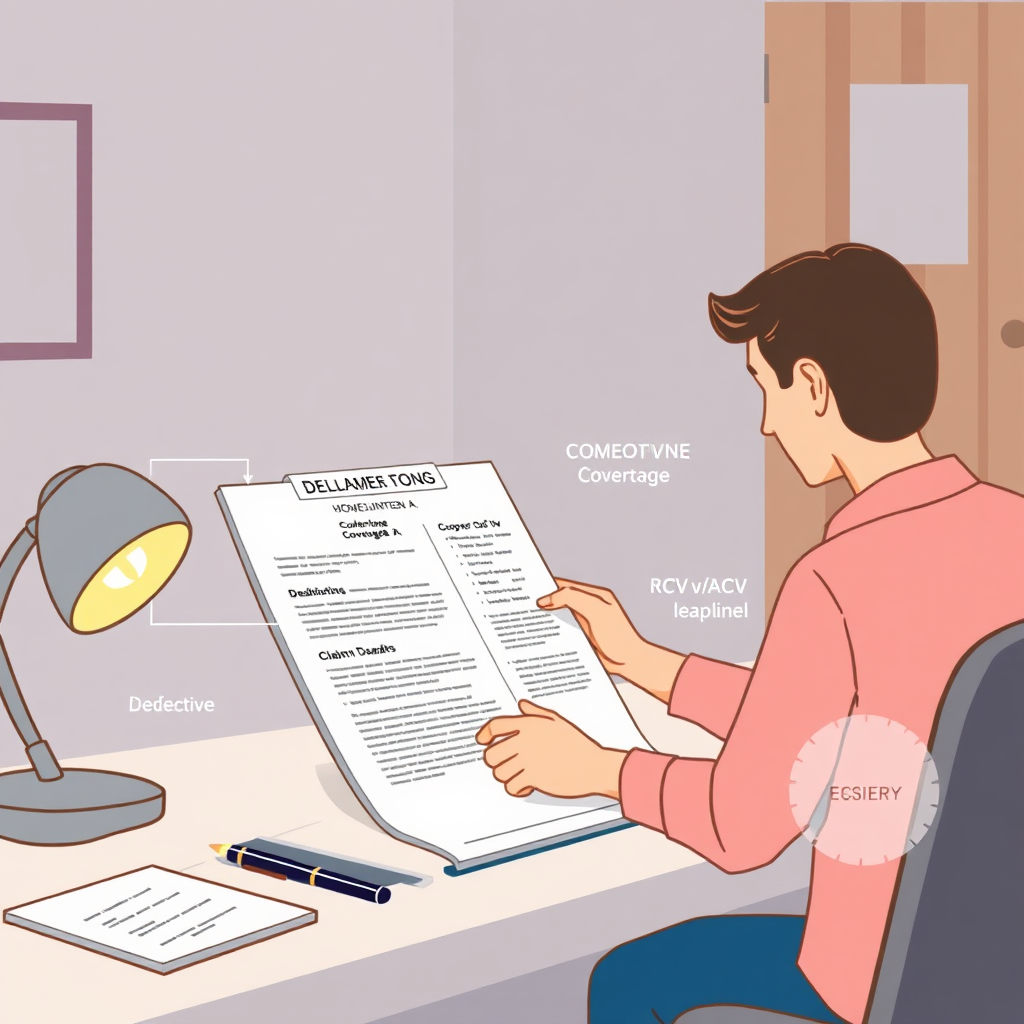
Before you call your insurer, locate your declarations page and identify several key elements. Confirm your dwelling coverage limit (Coverage A), understand any separate deductibles that may apply to wind or hail, and determine whether your policy provides Replacement Cost Value (RCV) or Actual Cash Value (ACV) for damaged property. Also check the claim filing deadline, which varies by insurer and damage type.
Many standard policies list an all-perils deductible and a separate percentage-based wind or hail deductible. Understanding which deductible applies to your claim can affect your expected recovery. If you’re uncertain about a policy detail, consult the policy documents or reach out to your agent for a precise interpretation.
Knowing whether depreciation will be recovered later (RCV vs. ACV) helps set expectations for the final payout. In some cases, depreciation is recoverable after repairs are completed, while in others it is not. Your policy and the claim assessment will determine how and when depreciation is handled.
Step 4: Contact Your Insurance Company
Report the claim promptly. Have your policy number ready, and clearly describe the damage, including when it occurred, the affected areas, and any temporary measures you’ve already taken. Ask for a claim number and the name of the assigned claim representative, and keep this information in a readily accessible place.
Keep your communications concise and factual. If you’re asked for documentation, respond with the materials you’ve prepared in Step 2. If you need to pause or adjust timelines due to safety concerns or access limitations, communicate that explicitly to your insurer so expectations stay aligned.
Record the claim number and the contact person. Save emails and confirmations in a dedicated folder for easy reference during settlement negotiations and inspections.
Step 5: The Adjuster Inspection
The insurer will typically schedule an adjuster inspection to assess the damage in person. Homeowners should strive to be present whenever possible. A walkthrough allows you to point out items that may not be immediately visible, verify measurements, and ensure that the adjuster documents the full scope of the damage.
Prepare a copy of your Step 2 documentation for the adjuster to reference. During the inspection, note any discrepancies between your records and the adjuster’s assessment. After the inspection, request a copy of the adjuster’s written report and the scope of work. This documentation can be critical if you dispute any findings later.

Common Claims Pitfalls to Avoid
Waiting too long to report damage
Delays can create a “gradual damage” argument even for events that feel sudden. Prompt reporting helps ensure the insurer has an accurate picture of when loss occurred and the condition of the property over time. If weather or access issues slow you, document those dates and communicate them to the insurer with explanations.
Discarding damaged items or starting cleanup before documentation
Do not dispose of damaged items or begin major cleanup before you have documented the loss. Once items are discarded or cleanup begins, it can complicate the insurer’s ability to verify the scope of loss, potentially reducing the claim or delaying settlement.
Accepting the first settlement offer without checks
The initial settlement may reflect estimated depreciation or policy limits rather than the full scope of repairs. Review the offer against your own repair estimates and documentation. If discrepancies exist, discuss them with your adjuster or seek an independent assessment before accepting.
Misunderstanding ACV vs. RCV and depreciation
ACV pays the value of damaged items minus depreciation. RCV pays to replace with comparable new items (subject to policy terms). Some policies offer depreciation holdbacks that can affect cash flow during repairs. Check whether depreciation will be recovered and under what conditions.
Signing an Assignment of Benefits (AOB) without understanding it
An AOB transfers claim control to a contractor or third party. It can limit your ability to negotiate directly with the insurer. Read every clause carefully, and if unsure, seek independent guidance before signing any AOB.
Failing to track communications
Keep a log of every phone call, email, and letter—dates, names, and summaries. A well-documented trail helps resolve disputes and demonstrates your diligence in pursuing a fair settlement.
Working with a Public Adjuster in Oklahoma
A public adjuster is a licensed professional who represents the homeowner’s interests in evaluating damage and negotiating a claim, rather than representing the insurance company. They typically work on a contingency fee basis, commonly ranging from 10% to 20% of the final settlement. Public adjusters are licensed by the Oklahoma Insurance Department, and homeowners should verify licensing before hiring.
Generally, hiring a public adjuster makes the most sense for large or complex claims—significant structural damage, total losses, or situations where the homeowner disagrees substantially with the insurer’s damage assessment or settlement offer. For smaller, straightforward claims, many homeowners successfully navigate the process independently.
A public adjuster is a paid advocate, not a free resource. Before signing any agreement, ensure you understand the fee structure, what services are included, and how the fee will be calculated (contingent on the final settlement). Read reviews, ask for references, and confirm licensure with the Oklahoma Insurance Department.
Step 6: Understand Your Payment Structure
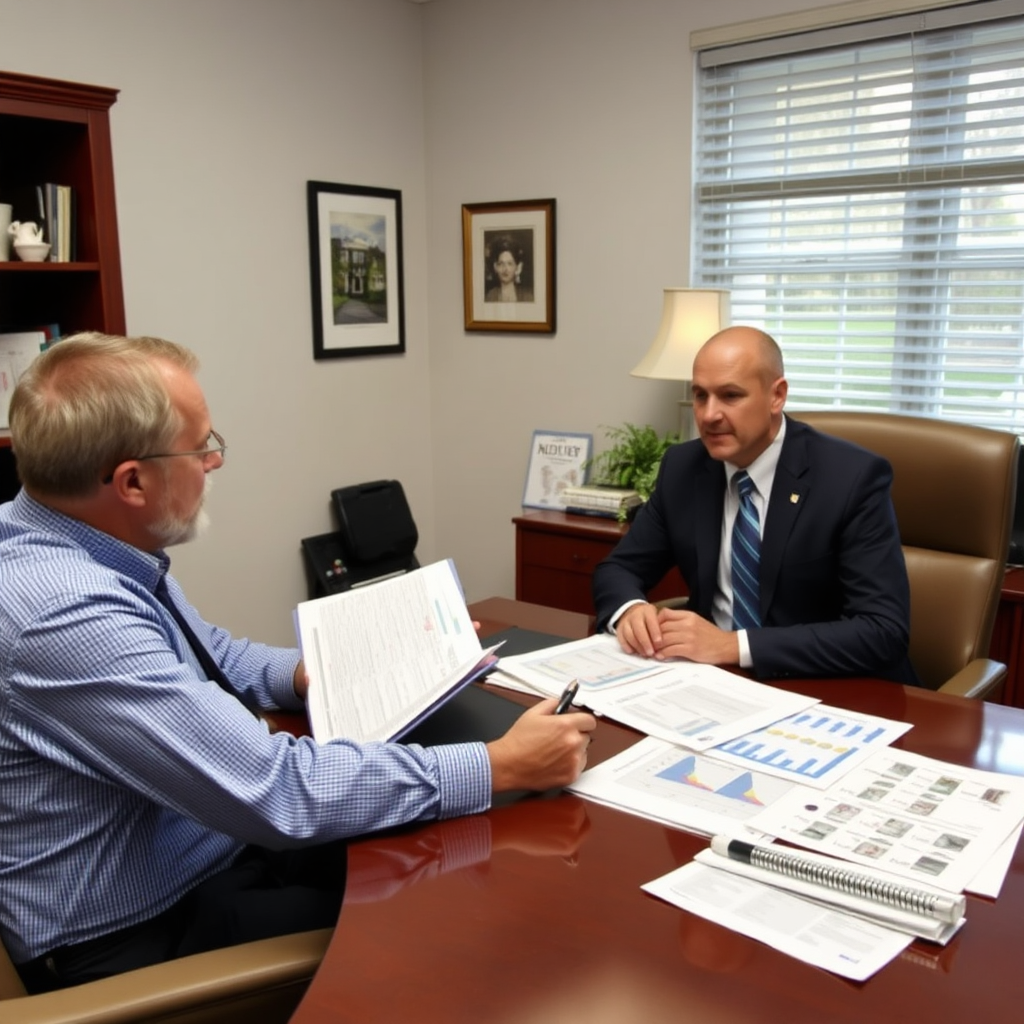
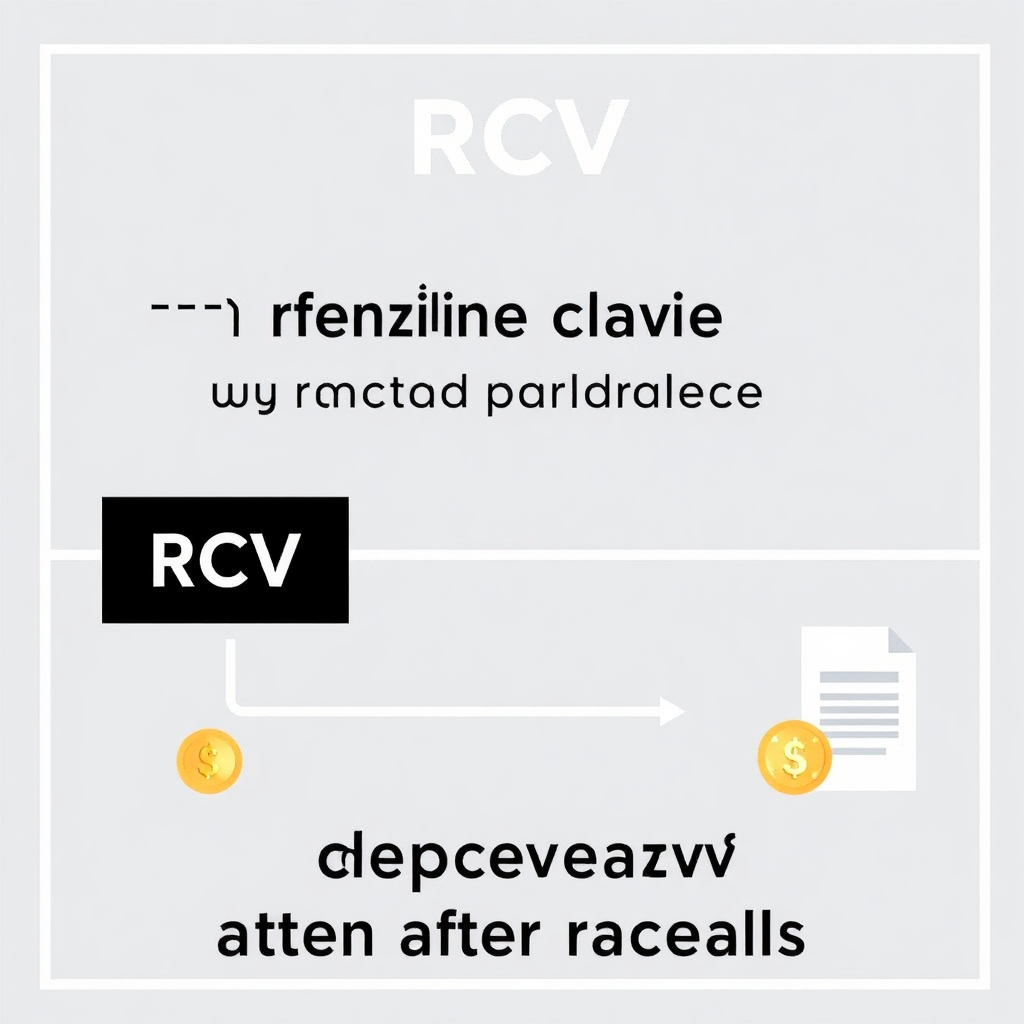
In many standard policies, you may encounter an RCV (Replacement Cost Value) structure that involves a two-check process: an initial payment for actual cash value (ACV) minus depreciation, followed by a separate payment for the depreciation holdback after repairs are completed and documented. Some policies, by contrast, provide a single ACV payment with depreciation accounted for in the settlement. It’s essential to know which structure applies to your policy so you can plan for cash flow during repairs.
If you have RCV coverage, keep receipts and document progress to support the depreciation recovery. If your policy provides ACV, you may receive a single payment and miss out on depreciation reimbursements unless your insurer offers a later reconciliation. Always check your specific policy language for how depreciation and holdbacks are handled.
Timelines to Keep in Mind
Oklahoma insurers typically resolve straightforward claims with complete documentation within 30–45 days. More complex claims—those involving substantial damage, disputes, or regional events—can extend 90–120 days or longer. Early, organized documentation helps prevent unnecessary delays, but actual timelines vary by insurer, policy, and the specifics of the loss.
If your claim spans multiple timelines (e.g., emergency repairs followed by long-term restoration), maintain clear notes and a predictable communication plan with your insurer. Proactive follow-ups and organized records generally contribute to smoother progress and fewer surprises at settlement.
FAQ
How soon after damage occurs should I file a claim in Oklahoma?
Generally, you should file promptly after discovering damage. Early reporting helps establish a clear timeline and reduces risk of disputes about when loss occurred. Check your policy for any deadlines, and contact your insurer as soon as you can safely assess and document the damage.
Is hiring a public adjuster worth the contingency fee for a smaller claim?
For small, straightforward claims, navigating the process without a public adjuster is common. A public adjuster may be more appropriate for larger or complex losses where an independent assessment could materially affect the settlement. Weigh the potential benefit against the fee, and consider getting a preliminary cost estimate from an independent adjuster before deciding.
What documentation matters most for a smooth claims process?
Key items include a detailed inventory of damaged personal property with estimated values, comprehensive photos and videos from multiple angles, weather or event documentation if relevant, the policy’s declarations page, and any correspondence with the insurer. Organized records that align with your claim narrative typically help prevent delays and disputes.
Can I make temporary repairs before the adjuster inspects the damage?
Temporary repairs are generally allowed when they protect property and prevent further damage. Take photos before and after any temporary work and keep receipts. Inform your insurer of the intent and any costs, so they can be considered during settlement if appropriate under your policy terms.
Where can I go if I have concerns about how my claim is being handled?
If you have concerns about claim handling or suspect unfair practices, you can contact the Oklahoma Insurance Department (OID) for consumer resources and guidance. Visit oid.ok.gov to access consumer assistance and report potential issues.
Closing disclaimer
This content is general educational information only, not legal or insurance advice. Actual coverage, deadlines, and claims procedures depend entirely on your specific policy and insurer. Review your policy declarations and speak with your insurance agent for policy-specific guidance. If you consider hiring a public adjuster, verify licensure directly with the Oklahoma Insurance Department before signing any agreement, and consult oid.ok.gov with specific questions.