Introduction
When homeowners suspect mold, the instinctive next step is often to contact a remediation contractor. But professional testing and inspection are frequently separate, optional steps that can clarify the scope of a problem before committing to a remediation contract. This guide explains what testing and inspection involve, typical costs, and how those steps fit into the broader process of resolving mold in an Oklahoma home. It’s important to note that visible mold in a well-defined area may not require a formal testing plan before remediation begins; rather, remediation can proceed with post-remediation verification. This article presents the information in a clear, non-sales context—RestoreOKLA is a free, independent resource that educates homeowners and does not perform testing, inspections, or remediation.
Readers will learn how to distinguish between inspection and testing, when each step is likely worth pursuing, the common causes of mold in Oklahoma, and what a professional remediation process typically looks like so that a homeowner can ask informed questions and compare contractor proposals confidently.

Note: For a related cost breakdown by room or square footage, see RestoreOKLA’s mold remediation cost article. A separate internal link will be added in this draft.
Mold Inspection vs. Mold Testing: What's the Difference
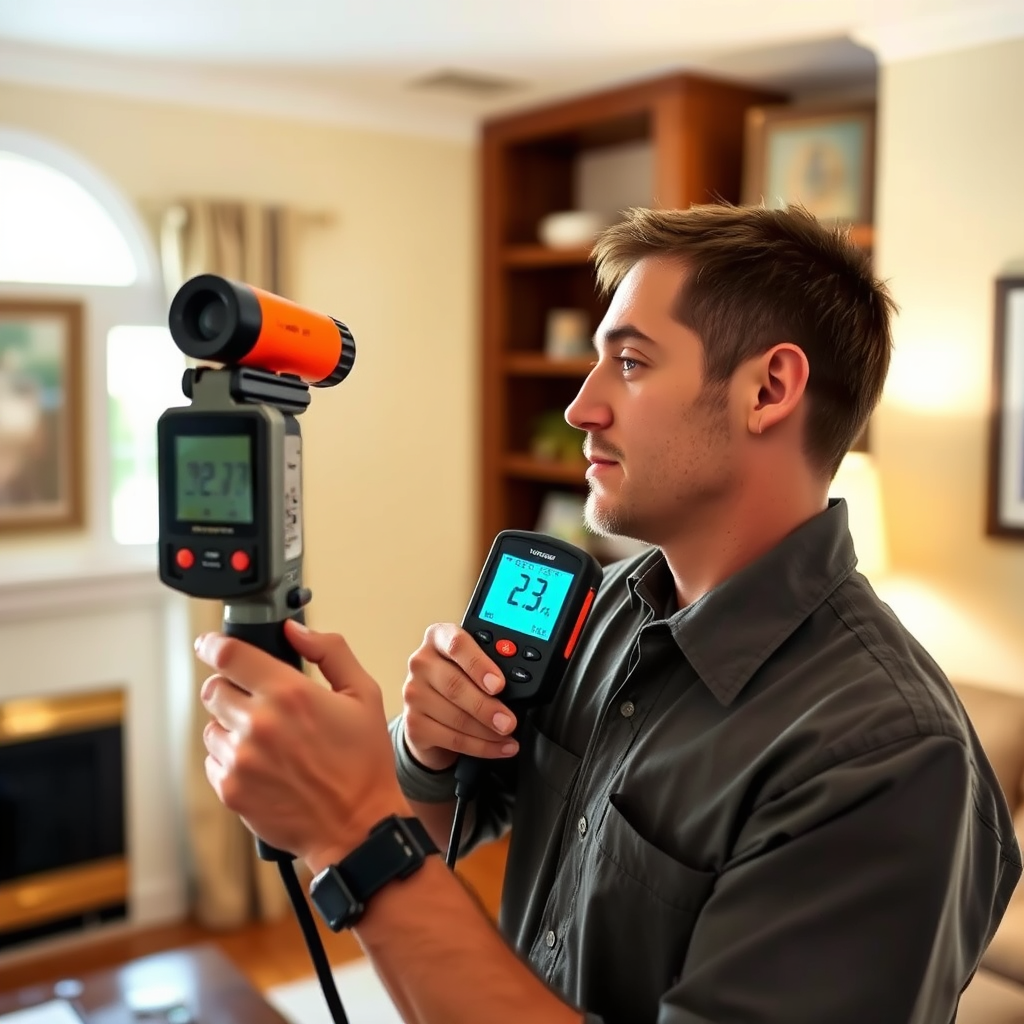
A mold inspection is a hands-on, visual, and moisture-based assessment conducted by a qualified professional to identify visible mold, moisture sources, airflow patterns, and humidity levels throughout the home. The purpose is to map where moisture originates, how it travels, and where hidden issues may lie. Inspectors typically examine building envelope integrity, bathrooms, kitchens, basements, crawl spaces, attics, and any place where moisture can accumulate. A thorough inspection helps homeowners understand the breadth of the problem and where remediation may be necessary. Typical costs for a mold inspection range from $200 to $600, depending on the size of the home, accessibility of areas to inspect, and whether additional equipment (like infrared cameras or moisture meters) is required.
Mold testing, by contrast, adds a laboratory component. In many cases, a testing protocol involves collecting air samples and/or surface swabs that are sent to an accredited laboratory to identify mold species and spore concentrations. The results reveal whether the visible mold corresponds to a broader contamination, and they help guide remediation strategies, especially in cases involving potential health concerns, persistent odors, or questions about the extent of growth. Testing is typically performed in addition to an inspection, and it adds to the overall cost.
- Inspection cost: commonly $200–$600.
- Testing cost (air and/or surface samples): commonly $200–$800 on top of inspection.
- Combined typical range: roughly $300–$1,000+ depending on sampling scope and lab turnaround.
Notes: The numbers refer to typical market ranges in Oklahoma and can vary by provider, property complexity, and urgency of the analysis.
When Testing Is Worth It — and When It Isn't
Testing becomes especially valuable when mold is not visibly apparent but there are clues suggesting hidden growth. A musty odor, unexplained allergy symptoms such as persistent coughing or nasal congestion, or a recent history of water intrusion (burst pipes, roof damage from a storm) can indicate concealed contamination. In such cases, testing provides objective data about species, concentrations, and distribution, which can inform a remediation plan and help support insurance claims or real estate disclosures.
Documentation matters in claims and transactions. If a homeowner needs a record of contamination levels for an insurance claim, a real estate sale, or a lending requirement, testing results can offer defensible, lab-verified evidence. When disagreements arise about the extent of growth—whether a patch is isolated or part of a broader, unseen problem—testing can reduce ambiguity and guide scope and budget decisions.
- Hidden growth suspected: testing provides objective confirmation.
- Documentation needed for claims or sales: testing offers verifiable data.
- Disagreements about extent: testing helps calibrate treatment and remediation scope.

Conversely, testing may be considered unnecessary when mold is clearly visible and presents in a small, well-defined area. In such cases, many remediation professionals will move directly to removal steps and post-remediation clearance testing to verify the containment and moisture controls. If the visible mold is present, the priority becomes eliminating it and addressing moisture sources to prevent recurrence, regardless of species. For homeowners with clearly defined mold, the decision to test beforehand should be weighed against the potential delay and cost.
In short, testing adds value when it clarifies uncertainty, documents claims, or informs a broader remediation strategy, especially if the problem might extend beyond what is immediately visible.
Common Causes of Mold in Oklahoma Homes
Oklahoma homes face several climate- and construction-related factors that can foster mold growth. The state’s hot, humid summers paired with air conditioning can create condensation in spaces with insufficient ventilation, such as attics and crawl spaces. If insulation is compromised or ventilation is poor, moisture lingeres, providing a hospitable environment for mold to thrive.
Water intrusion from storms is another key driver. Oklahoma’s frequent hail and wind events can damage roofs, allowing rainwater to seep in and saturate building materials. Burst or slow-leaking pipes—especially after winter freezes—introduce sustained moisture that, if not promptly addressed, leads to mold development behind walls and under flooring.
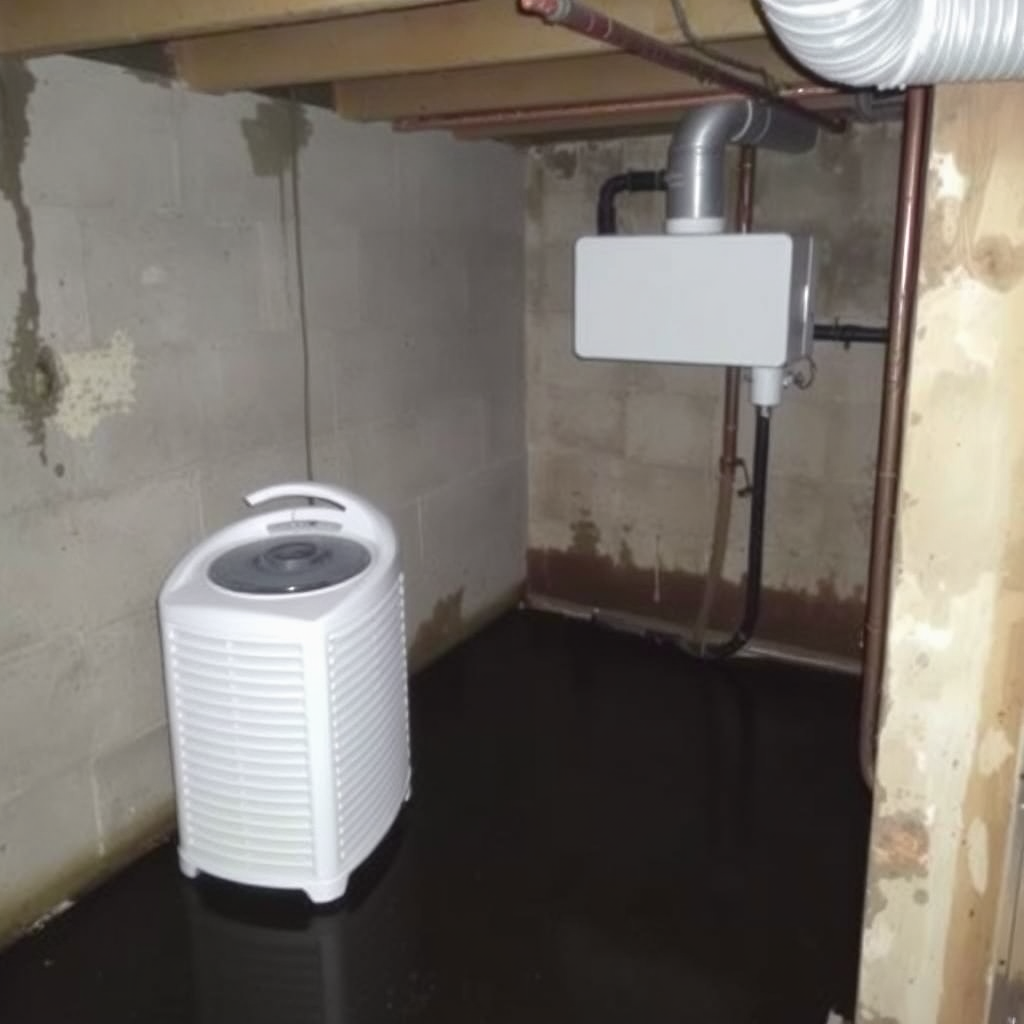
Routine moisture accumulation from bathrooms and kitchens without adequate exhaust or air exchange can promote mold growth over time. Finally, moisture around foundations due to poor grading or drainage issues can wick into basements or crawl spaces. In each case, identifying and resolving the moisture source is essential to prevent recurrence after remediation.
The Professional Remediation Process, Step by Step
A legitimate remediation process is designed not only to remove contaminated materials but also to stop mold at its source. Homeowners should expect a clearly defined sequence that demonstrates professionalism, safety, and accountability. The following steps outline what a responsible remediation contractor typically does, though exact practices may vary by firm and local regulations.
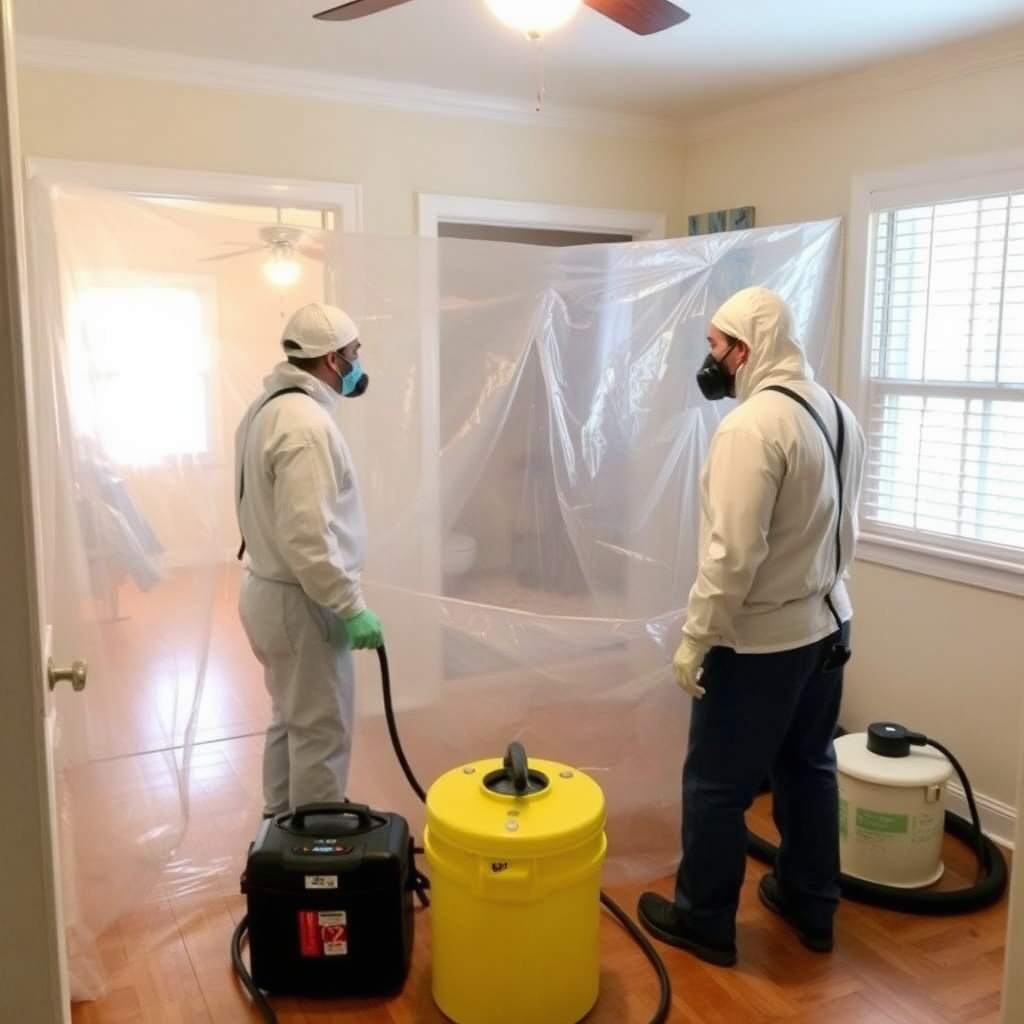
- Step 1 — Initial assessment and containment planning: The contractor identifies the scope and sets containment measures to prevent spore spread. Sealing the affected area with plastic sheeting and establishing negative air pressure are common practices to contain dust and spores within the work zone.
- Step 2 — Removal of contaminated porous materials: Materials that cannot be effectively cleaned—such as drywall, insulation, or certain carpets—are removed and disposed of following safety guidelines to avoid cross-contamination.
- Step 3 — Cleaning and surface preparation: Surfaces inside the containment are HEPA-vacuumed and cleaned to remove residual particulates. This step reduces the potential for recontamination during subsequent work.
- Step 4 — Antimicrobial treatment: An antimicrobial or biocide is applied to prevent regrowth in affected areas and to address residual organic material that could feed future mold.
- Step 5 — Drying and dehumidification: The space is thoroughly dried using industrial dehumidifiers and fans to eliminate residual moisture that could support mold recurrence.
- Step 6 — Post-remediation verification testing (clearance): After drying, a post-remediation verification (clearance) test is performed to confirm that mold spore levels have returned to an acceptable range before the area is re-occupied. Reputable firms will discuss and document this step upfront.
Note: Some contractors include clearance testing in their price; others bill separately. A thorough remediation plan should address underlying moisture sources to reduce the chance of recurrence.
Questions to Ask Before Hiring a Mold Testing or Remediation Company
- Are you certified by a recognized organization such as IICRC or an equivalent body?
- Will you provide a written scope of work and moisture source identification, not just a price to remove visible mold?
- Is post-remediation clearance testing included in the price or billed separately?
- Do you address the root moisture source and provide guidance on preventing recurrence?
- What containment measures will you use, and how do you protect other areas of the home?
- How long will the remediation take, given the size of the affected area?
- Will you provide a written remediation plan with milestones and expected outcomes?
- Do you offer a warranty or guarantee on moisture mitigation and mold removal?
A thoughtful contractor will explain the entire workflow, including moisture control, remediation steps, and clearance testing, before any work begins. Consider requesting a written scope that identifies moisture sources and how they will be addressed as part of the overall plan.
Does Insurance Cover Mold Testing and Inspection Costs?
Insurance coverage for mold testing or inspection generally follows the same cause-based rules as remediation coverage. If mold stems from a covered peril (for example, a burst pipe or storm-related water intrusion) and testing costs are tied to that claim, those expenses may be reimbursable. Testing prompted by general suspicion without a linked claim is less commonly covered. Homeowners should review their policy specifics and speak with their insurer or a licensed agent to understand eligibility, exclusions, and documentation requirements.
For a full explanation, see the dedicated mold insurance coverage guide. A placeholder internal link will be inserted to connect readers with that resource.
Frequently Asked Questions
Not always. If mold is clearly visible and confined, remediation can begin without prior testing. However, testing can be valuable if the extent is uncertain, you need documentation for a claim or sale, or there’s a health concern and you want lab-verified data to guide the scope.
Lab turnaround varies by facility and the type of samples collected, but typical results for a standard air and surface sampling set can take 2 to 5 business days after the samples reach the lab. Some tests offer rush options at additional cost.
DIY kits can detect the presence of mold but often lack the reliability and interpretive context of professional testing. Lab-verified results are generally preferred for claims, real estate transactions, or intricate remediation planning. If you choose DIY testing, be prepared to share results with a qualified professional to determine next steps.
Air sampling measures mold spores circulating in the indoor air, offering a sense of current airborne exposure. Surface sampling collects actual colonies on materials or on-site surfaces, helping identify contamination on specific substrates. Both can be used together to build a complete picture.
A credible company will address moisture sources as part of the remediation plan, including corrective actions to the roof, plumbing, insulation, drainage, or ventilation. Post-remediation verification testing or third-party clearance can confirm that mold levels have returned to acceptable limits and that moisture controls are functioning as intended.
Related Oklahoma Homeowner Guides
Disclaimer and Educational Purpose
This content is intended for educational and informational purposes only. It does not constitute professional environmental testing, remediation, or medical advice. Readers should consult licensed environmental or industrial hygiene specialists for health and safety assessment or testing, and licensed remediation contractors for actual removal work. RestoreOKLA is a free, independent resource that explains costs and processes without performing testing, inspections, or remediation services, and without endorsing specific providers.
This article is designed to help Oklahoma homeowners understand testing and inspection costs, common causes, and the remediation process prior to committing to next steps. For related topic coverage and internal references, readers may locate the related mold remediation cost article on the site.