Introduction
After a significant Oklahoma storm, many homeowners react by seeking quick repair quotes—calling a roofer to estimate shingles, roof replacement needs, and visible leaks. What often gets skipped is a dedicated structural inspection that looks beyond the surface. A proper structural assessment evaluates the attic framing, decking integrity, and the connections between the roof structure and the home’s walls. This step matters for safety, long-term durability, and the accuracy of any insurance claim. By understanding what a structural inspection covers—and what it costs—homeowners can make informed choices about whether to pursue this step before detailing damage to a carrier, selecting a repair scope, or pursuing coverage for the inspection itself.
Roofing Estimate vs. Structural Inspection: What's the Difference
A typical roofing contractor estimate concentrates on surface damage and immediate repair or replacement needs. You’ll usually see references to missing or damaged shingles, granule loss, flashing integrity, and the presence or absence of active leaks. These estimates guide a repair or replacement decision focused on the roof surface itself, and they are generally oriented toward a repair quote rather than a full assessment of structural health.
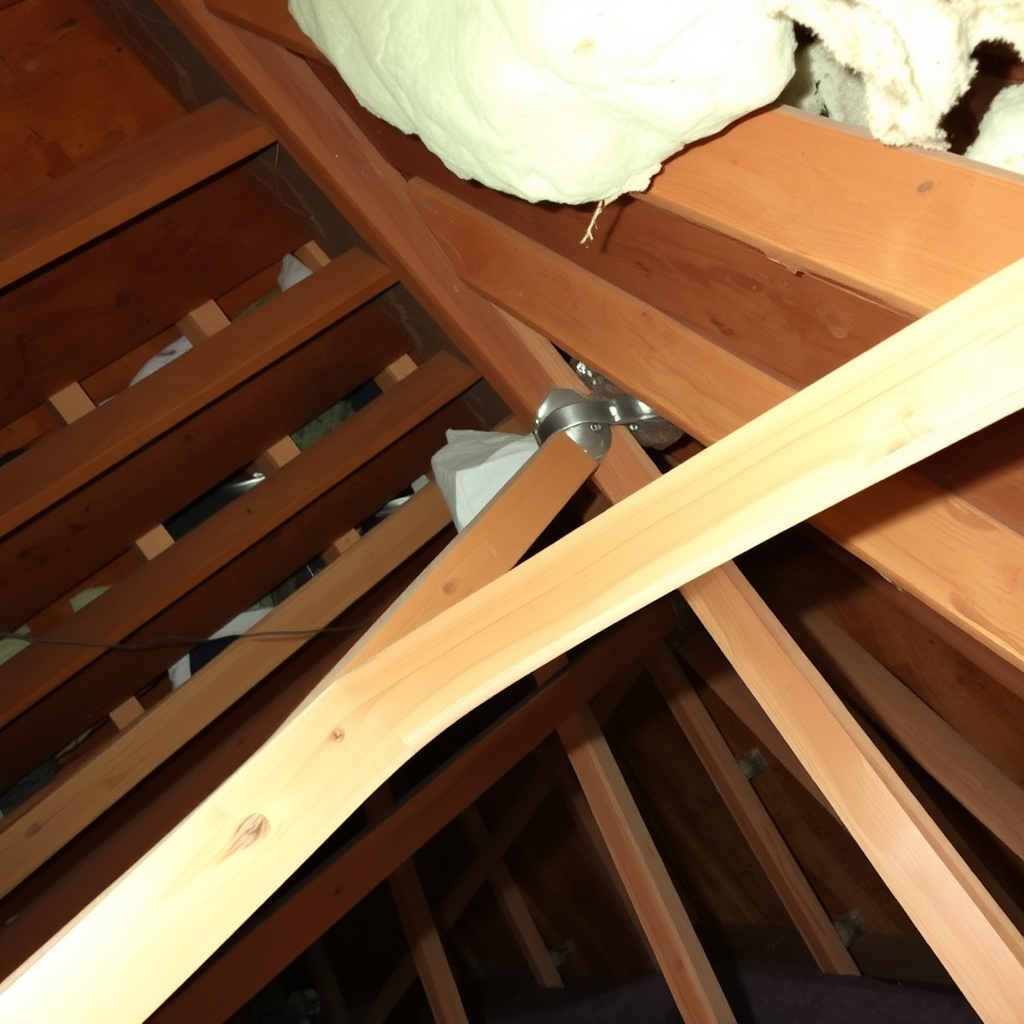
A dedicated structural inspection, by contrast, probes the underlying structure that supports the roof. A licensed home inspector or structural engineer examines the attic space for signs that wind loads, moisture intrusion, or previous repairs have compromised rafters and trusses. They assess decking for soft spots or water staining that isn’t yet visible from the exterior, evaluate whether roof-to-wall connections remain secure under load, and check attic ventilation and insulation—elements that influence both safety and long-term performance. In short, a roofing quote can miss hidden vulnerabilities that a focused structural inspection would reveal, especially after severe weather events.
Homeowners should view these two steps as complementary: the roofing estimate can tell you what surface repairs might cost, while the structural inspection provides a broader understanding of safety and resilience. This distinction matters when you’re deciding whether to pursue an inspection before filing a claim or as part of a post-event review with your insurer.
Inspection Costs: What to Expect
Costs vary by the credentials of the inspector and the scope of the assessment. The following ranges reflect typical market rates in Oklahoma after major wind, hail, or tornado-adjacent events. Note that a visual roof inspection performed by a contractor is usually the least expensive option, but it is also the narrowest in scope. Independent professionals and engineers bring broader perspectives and greater credibility when structural concerns are suspected or disputed.
| Inspection Type | Typical Cost (USD) |
|---|---|
| Standard visual roof inspection (contractor-provided, often part of a repair quote) | 0–150 |
| Independent professional roof inspection (non-repair affiliated) | 150–400 |
| Full structural inspection including attic assessment (licensed home inspector) | 300–600 |
| Structural engineer evaluation (for suspected significant structural concerns or disputed movement) | 500–1,500+ |
Costs scale with credentials and scope: a roofing contractor’s visual assessment tends to be cheapest but offers the most limited insight, while a licensed structural engineer’s evaluation delivers the most weight in safety determinations and, potentially, insurance disputes.
When a Structural Inspection Is Worth the Cost
A structural inspection is especially valuable in a few concrete scenarios. After a confirmed tornado or severe straight-line wind event, even when roof damage seems modest from the ground, there can be hidden stresses in the attic framing or roof decking that only a careful assessment will reveal. If interior signs emerge—new cracks in ceilings or walls, doors or windows that suddenly stick, or uneven rooflines visible from the interior—these are red flags that suggest structural movement or moisture intrusion beyond surface damage.
Consider an inspection if the insurer’s adjuster evaluation seems inconsistent with on-site observations, or if the home is older and roof framing may have less structural reserve capacity. An inspection can help establish a baseline for safety and the true extent of hidden damage before a repair scope is defined. That said, for minor, clearly cosmetic hail damage with no signs of interior or structural distress, a standard roofing estimate may suffice, and pursuing a separate structural inspection could be unnecessary.
In every case, readers should weigh the likelihood of hidden damage against the upfront cost. A licensed inspector can provide an objective, detailed assessment that reduces the risk of underestimating, mischaracterizing, or overlooking structural risks that could affect long-term performance, energy efficiency, and safety.
What a Structural Inspection Actually Evaluates
A structural inspection goes beyond the surface to examine how the roof system interacts with the rest of the structure. Key areas typically assessed include:
- Roof decking condition: Soft spots, delamination, cupping, or water staining that signals past or ongoing moisture intrusion even if the exterior looks intact.
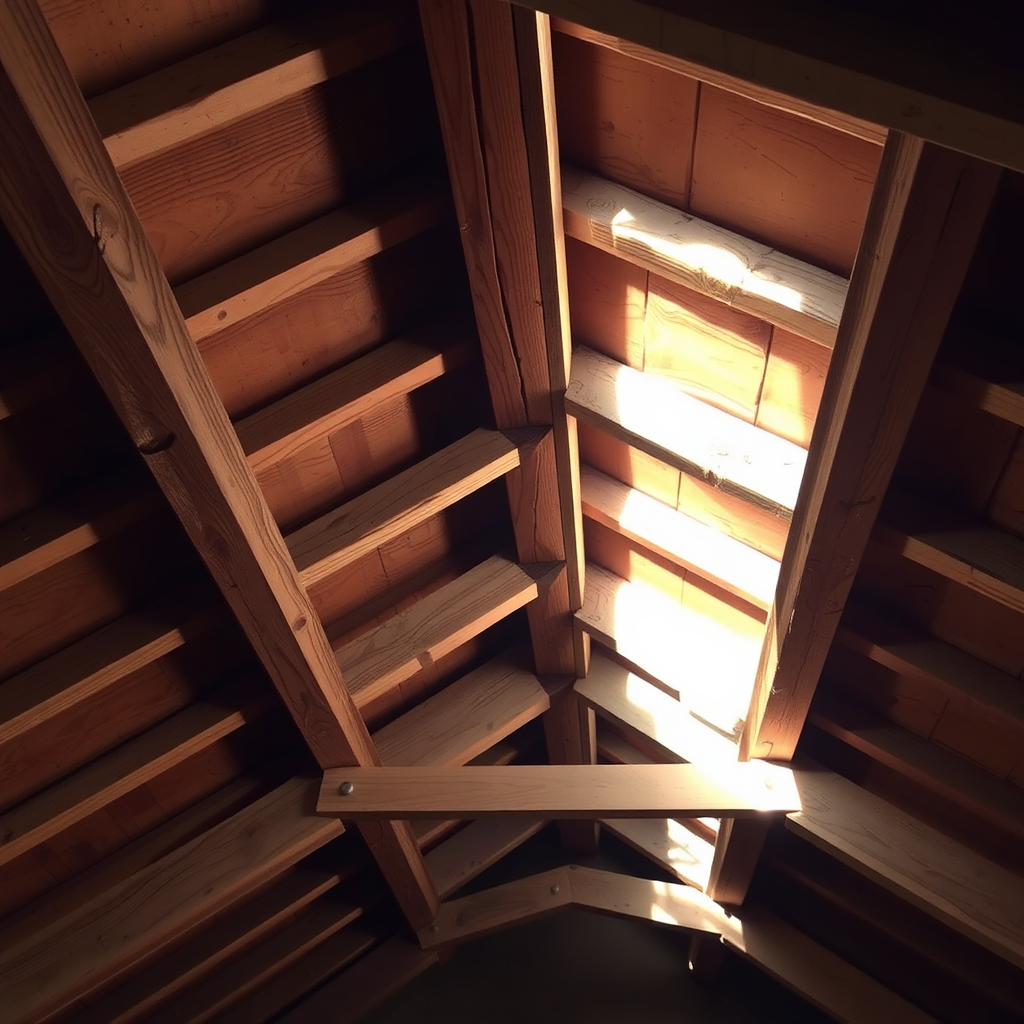
- Rafter and truss condition: Cracks, splitting, bowed members, or visible deflection under load. Unreinforced or overstressed framing can compromise roof integrity during future events.
- Connections between roof and walls: Hurricanes ties, truss plates, metal connectors, and other fasteners. Extreme wind uplift can loosen or fail these connections, undermining the roof’s ability to resist future storms.
- Ventilation and insulation in the attic: Adequate ventilation reduces moisture buildup; insulation condition can reveal latent leaks that haven’t produced interior staining but impact energy efficiency and comfort.
- Evidence of prior repairs and compliance: Whether past repair work followed code requirements, used appropriate fasteners, and maintained overall structural coherence. Noncompliant repairs can create weak points or hidden movement over time.
The resulting report typically documents visible findings with measurements, photos, and professional opinions about safety and repair implications. While it may not prescribe exact repair methods (that’s often the role of a contractor), it provides a defensible, independent record of structural health—useful for insurance discussions, contractor scoping, and long-term planning.
How This Fits Into the Insurance Claims Timeline
The structural inspection step can play a pivotal role in how you describe damage to an insurer and what scope is ultimately documented in a claim. If you pursue an inspection before filing a claim, you gain a clearer, independent understanding of the true damage extent and safety considerations. This can help you articulate a more accurate claim narrative and avoid under- or over-estimating the needed repairs.
Alternatively, after an adjuster’s assessment, a structural engineer’s report can carry particular weight when you believe the scope is incomplete or mischaracterized. An engineer’s credentialed, objective evaluation can serve as a counterpoint to a contractor’s repair-oriented estimate, especially in disputes over structural implications and long-term safety. For homeowners navigating the claims process, it’s essential to reference RestoreOKLA’s dedicated guide on filing a roof insurance claim for a clear, step-by-step overview of how to align inspection findings with claim documentation. (Internal links can be added here when you publish.)
In any case, the timing of an inspection should be tied to observed risk and the potential impact on the claim’s scope. If you notice interior cracking, shifting ceilings, or other signs that point to structural concerns, consulting a licensed inspector early in the process—before or alongside an insurance filing—often yields the most reliable, documented baseline for subsequent decisions and repairs.
Choosing an Independent Inspector
To minimize perceived conflicts of interest, homeowners should seek inspectors or structural engineers who are not affiliated with any roofing repair company. An independent professional focuses on assessment and documentation, not on selling remediation services. Verify licensing and credentials, and request a written report with photos detailing all findings.
In Oklahoma, certified structural findings from a licensed Professional Engineer (P.E.) carry the most weight in disputes about structural integrity. If your goal is to document concerns for an insurance claim or to guide independent decision-making, insist on a formal report that includes:
- Clear evaluation of structural elements (rafters, trusses, ties, decking).
- Photographic documentation with annotations.
- Assessment of condition relative to observed wind, hail, or moisture events.
- Unambiguous findings and professional recommendations for next steps.
Remember: this guide explains the inspection process and costs, not a repair service. A licensed inspector can help you understand whether further action is warranted, and can translate findings into a comprehensive report suitable for insurance discussions with credible, credentialed support.
FAQ
- Do I need a structural inspection if my roofing contractor already gave me an estimate?
- Not necessarily. A roofing estimate focuses on surface damage and repair scope. If you’ve observed or suspect internal movement, moisture intrusion, or hidden damage, a separate structural inspection can provide a broader assessment of safety and durability. If the goal is a precise claim scope, many homeowners find value in an independent structural evaluation to complement a roofing estimate.
- Will my insurance company pay for an independent structural inspection?
- Coverage varies by policy and carrier. In many cases, the homeowner bears the cost of an independent inspection unless the insurer explicitly approves it as part of your claim process. Some carriers may reimburse if the inspection leads to a documented, justified increase in covered scope, but you should confirm with your provider before scheduling.
- How long does a full attic structural inspection take?
- A comprehensive attic-focused assessment typically takes 1 to 3 hours, depending on attic size, accessibility, and the complexity of the roof structure. An engineer’s evaluation may require additional time for measurements and to prepare a formal report, which can extend the overall timeline by a few days.
- What happens if a structural inspection finds damage the adjuster missed?
- If an inspector identifies undiscovered or unaddressed damage, you can share the findings with your adjuster and request a re-evaluation. A credentialed report from a licensed inspector or engineer can provide objective support for adjusting the scope, ensuring safety concerns are addressed before repairs proceed.
- Is a structural engineer's report legally binding in an insurance dispute?
- A licensed Professional Engineer’s report is highly persuasive due to its formal credentialing and technical rigor. While not legally binding in every sense, it carries substantial weight in negotiations and disputes and can influence claim outcomes. Always verify licensure and ensure the report clearly documents findings and conclusions.
Closing Disclaimer
This article is intended for educational and informational purposes only. It does not constitute professional inspection, engineering, or insurance advice. Readers should consult a licensed home inspector or licensed structural engineer for an actual assessment of their property and confirm coverage details for inspection costs directly with their insurance provider. RestoreOKLA is a free, independent resource that explains and contextualizes costs and process steps to help homeowners make informed decisions.