Introduction
After a major storm, debris removal is often an overlooked cost category that homeowners don’t budget for separately from repair costs. Fallen trees, damaged fencing, roofing debris, and general yard wreckage all require cleanup before repairs can begin. Oklahoma’s frequent tornadoes and severe wind events mean this is a recurring concern statewide. This guide aims to provide clear, actionable cost ranges and coverage guidance so readers can plan effectively, avoid surprises, and understand when insurance may help with cleanup as part of a larger claim.
Note: this page is educational and informational. It does not constitute a quote or service offering. Costs vary by location, contractor, and on-site conditions, and final pricing requires an on-site assessment from a licensed professional.
Detailed Cost Table
The following ranges reflect common scenarios in residential settings across Oklahoma. Actual bids depend on debris volume, tree size, accessibility, and whether cleanup is standalone or bundled with larger storm repairs.
| Service | Typical Scope | Estimated Cost (USD) |
|---|---|---|
| General storm debris cleanup | Yard debris, downed branches, minor wreckage; often the first-pass cleanup | A few hundred dollars up to 1,500 |
| Fallen tree removal (per tree) | Size- and location-dependent; includes safe limb removal, stacking for disposal | $200–$2,000+; larger trees or crane access run higher |
| Dumpster rental for large-scale cleanup | Container rental for bulk debris; varies by size and rental duration | Typically a few hundred dollars per container |
| Roofing/structural debris removal | Often bundled into broader repair/reconstruction costs | Not usually billed separately |
| Notes on cost drivers | Property size, tree size/quantity, equipment access, and whether removal is standalone or part of a larger project | Varies widely by site and contractor |
Does Homeowners Insurance Cover Debris Removal?
Most standard homeowners policies include debris removal coverage as part of the overall claim, but it is typically a sub-limit rather than an unlimited allowance. This means a separate, set amount is allocated to pay for removing storm debris once the claim assessment assesses property damage caused by a covered peril. Industry practice commonly places this sub-limit around 5% of the dwelling coverage limit. For example, on a $300,000 dwelling policy, debris removal coverage might be approximately $15,000. The intent is to cover cleanup costs associated with insured damage, not general post-storm tidying.
Coverage generally applies when the debris resulted from a covered peril such as wind, hail, or tornado damage to insured property. If a tree fell without damaging a structure or other insured property, debris removal may not be covered under the standard policy as a standalone cleanup expense. Conversely, if a fallen tree damaged the roof, a fence, or other insured structures, debris removal tied to that damage can often be included within the claim. Always verify specifics with your insurer, as policy language and sub-limits can differ by carrier and policy form.
Important nuance: even when debris removal is covered, the insurer may require a scope of loss assessment, photos, or an adjuster’s on-site evaluation before approving removals. Homeowners should document pre-cleanup conditions thoroughly and retain all receipts and contractor bids related to debris removal as part of the claim file.

What Determines Debris Removal Cost
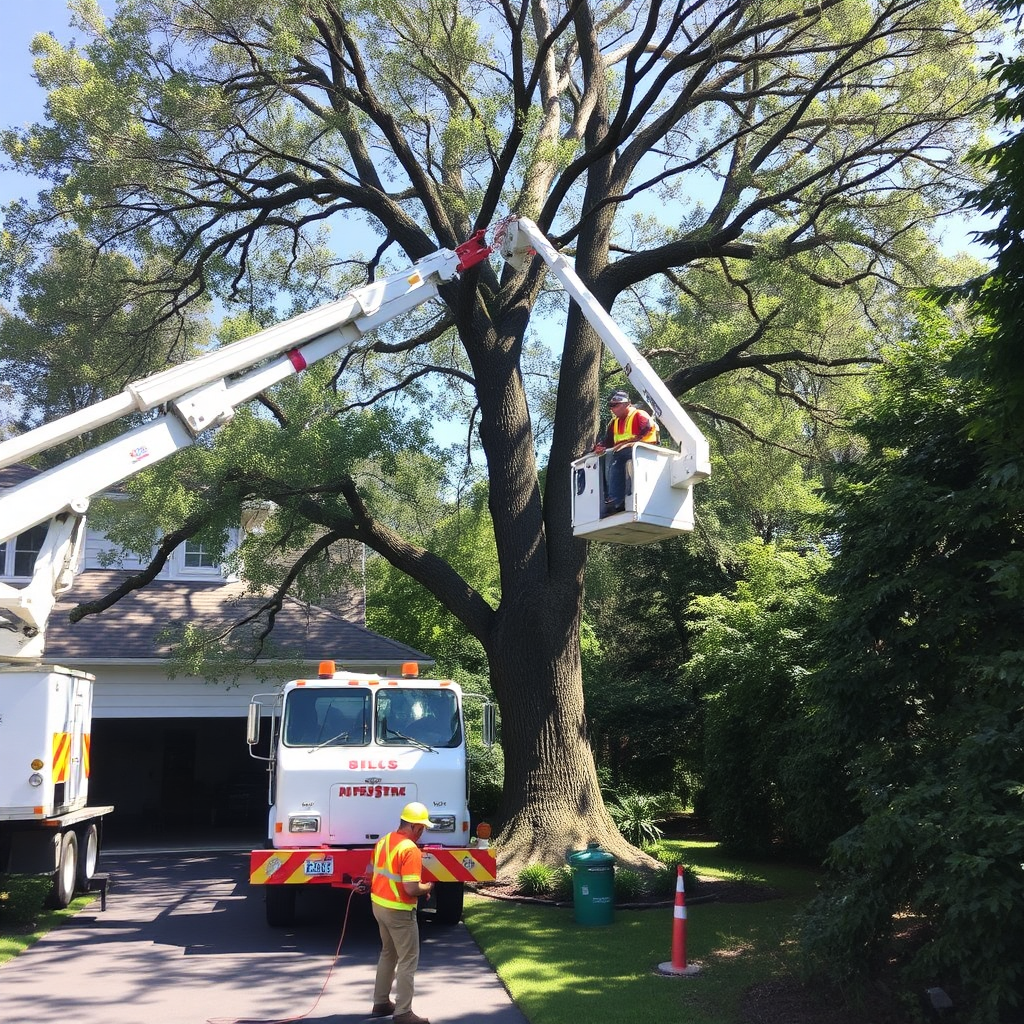
Several factors drive debris removal pricing beyond base labor. The volume and type of debris, such as light yard waste versus heavy structural material, directly impact both time and equipment needs. Tree size matters dramatically: a small, upright tree is far less expensive to remove than a large, partially uprooted tree entangled with power lines or leaning against the house. If specialized equipment—like a crane or bucket truck—is required for safe access, costs can rise quickly. Accessibility also matters; properties with narrow driveways, steep slopes, or gated neighborhoods complicate logistics and may increase time on-site and disposal fees. Finally, whether the removal is a stand-alone job or bundled with a larger storm-repair project can influence pricing, as bundled work often streamlines labor and disposal planning.
Homeowners should seek clear, itemized bids that separate debris removal from other line items, especially when renovations or rebuilding are involved. This helps ensure the debris cleanup portion is not inadvertently discounted or lumped into broader project estimates. Understanding these factors supports more accurate budgeting and helps set expectations with insurers and contractors.
Oklahoma's Tornado and Severe Wind Season: Why Debris Removal Planning Matters
Oklahoma’s spring and early summer storm season regularly produces large-scale debris events from tornadoes and straight-line winds. When events are widespread, demand for debris removal and tree services spikes sharply. This can translate into longer wait times for contractors and, in some cases, temporary price fluctuations driven by demand, accessibility challenges, and disposal capacity. Homeowners in areas affected by federally or state-declared disasters may also have access to local government bulk debris pickup programs in addition to private removal services—an option worth checking with city or county officials after a major, widely declared storm event.
Planning ahead and understanding typical timelines helps prevent delays in beginning repairs. If multiple neighbors are dealing with debris simultaneously, coordinating scheduling and disposal can also improve efficiency and reduce on-site safety risks. This section is intended to help readers align expectations with the realities of a large- scale Oklahoma cleanup.
DIY Debris Cleanup vs. Hiring a Professional
Homeowners can often handle smaller yard debris, such as loose branches and light material, with basic tools like rakes, tarps, and wheelbarrows. The key caveat is safety: fallen trees or branches under tension, entangled with power lines, or leaning against structures can fail unexpectedly. For any large tree, significant structural damage, or debris that could compromise utility lines or the home’s integrity, hiring a professional tree service or debris removal crew is recommended. While DIY cleanup may save money in the short term, it carries real risk and may complicate insurance claims if a hazard is left unaddressed or mishandled.
Readers should use caution, respect utility lines, and prioritize safety. If in doubt about a tree’s stability or the scope of a cleanup project, consult licensed professionals and document the site thoroughly before proceeding. This guide does not advocate any particular service provider; it provides information to help homeowners make informed decisions aligned with safety and budget.
Steps to Take Before Debris Removal Begins
- Photograph all debris and damage thoroughly before anything is moved or removed. Clear, dated photos support insurance documentation and contractor itemization.
- Do not move debris that’s part of an active insurance claim until the adjuster has seen it, or obtain clear documentation if removal can’t wait due to safety concerns.
- Obtain multiple quotes for larger tree or debris removal jobs to compare approaches, timelines, and disposal options.
- Confirm with your insurer whether debris removal is included in your claim or billed separately, and understand any sub-limits or required approvals.
- Check that the debris removal company is licensed and insured, especially for work involving large trees near structures or power lines.
- Keep all receipts, quotes, and photographs organized for the claims process and future reference.
FAQ
Does insurance cover removing a tree that fell but didn't damage anything?
Generally, debris removal for a fallen tree is tied to insured damage to a covered structure or property. If the tree fell and caused no damage to the home, fence, roof, or other insured property, removal costs are less likely to be covered under standard debris-removal provisions. Always verify with the insurer, as coverage can vary by policy form and endorsements.
Who pays if my neighbor's tree falls on my property during a storm?
Responsibility generally follows ownership of the tree and the source of the damage. If a neighbor’s tree caused damage to your insured property, your own homeowners policy may cover the claim, potentially with sub-limits for debris removal. In some cases, a neighbor’s homeowner policy could share in the removal costs. Review your policy and coordinate with your insurer to determine the most appropriate next steps.
How quickly should debris be removed after a storm?
There isn’t a universal deadline, but timely cleanup is prudent for safety, access, and preventing secondary damage. If debris blocks driveways, parks access, or poses safety hazards, prompt removal is advisable. In widespread disasters, scheduling may depend on contractor availability and disposal capacity, which can affect timelines.
Can I remove debris myself and get reimbursed by insurance?
Insurance reimbursement typically requires that cleanup is part of a covered claim and that the work is performed by licensed professionals or contractors approved by the insurer. DIY cleanup may not be eligible for reimbursement, and attempting major removals without professional guidance can jeopardize claims or safety. Always check with your insurer before undertaking substantial debris removal yourself.
Are there free or low-cost debris removal options after a major Oklahoma storm?
In federally or state-declared disaster areas, some local governments offer bulk debris pickup programs in addition to private services. Eligibility and timing vary by jurisdiction, so homeowners should check with city or county offices for current programs after a major event. Private contractors remain a common route, and comparing options can help find the most cost-effective path while prioritizing safety.
Related Oklahoma Homeowner Guides
Closing disclaimer: This article is educational and informational only. It is not professional debris removal, arborist, or insurance advice. Final pricing depends on on-site assessments by licensed local professionals. Homeowners should obtain quotes from licensed debris removal or tree services and confirm coverage details directly with their insurance provider.