Tornado Damage Repair Costs: What Oklahoma Homeowners Should Know
This guide explains expected repair costs tied to tornado damage in Oklahoma, using the Enhanced Fujita (EF) Scale to describe damage intensity. It is an educational resource—this site does not perform repairs or provide contractor quotes. Read on to understand what costs typically look like at different severities, how insurance often intersects with those costs, and practical steps to take after a tornado.
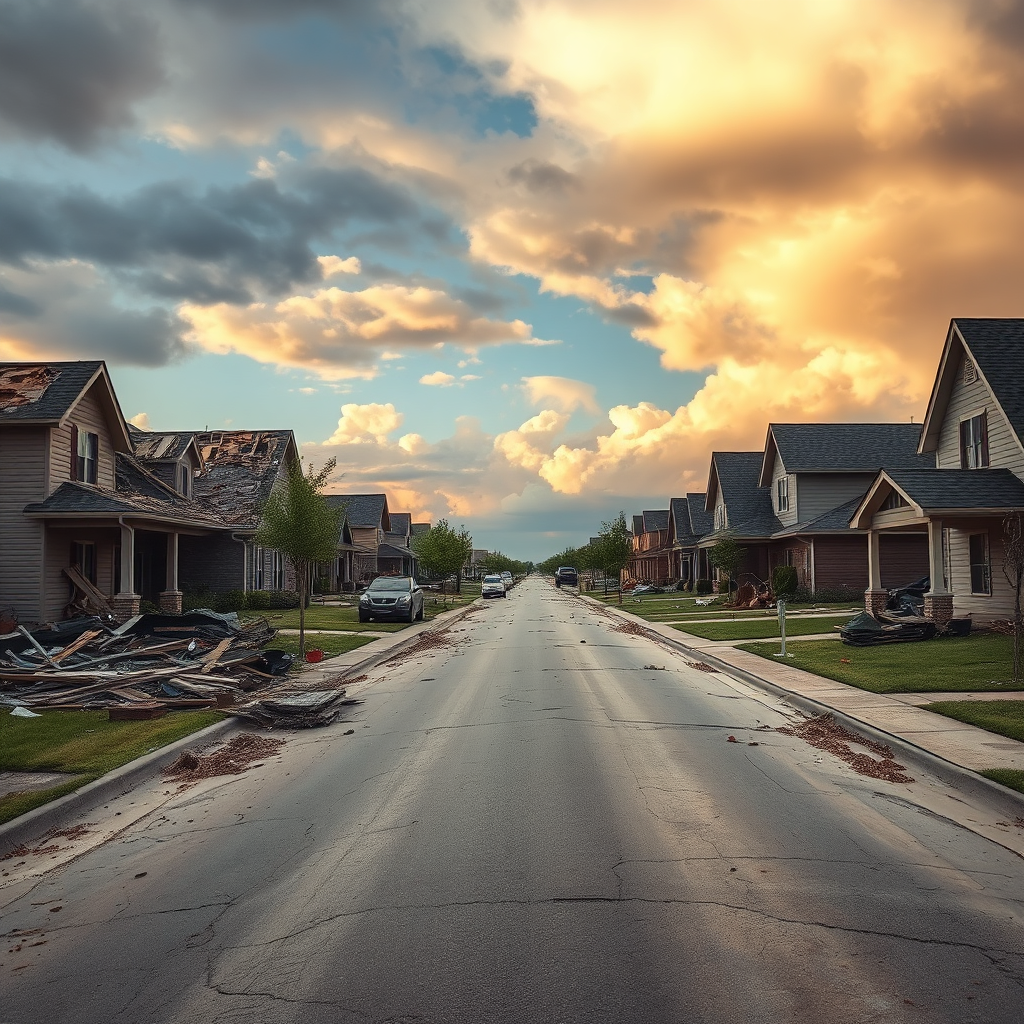
Understanding the Enhanced Fujita (EF) Scale
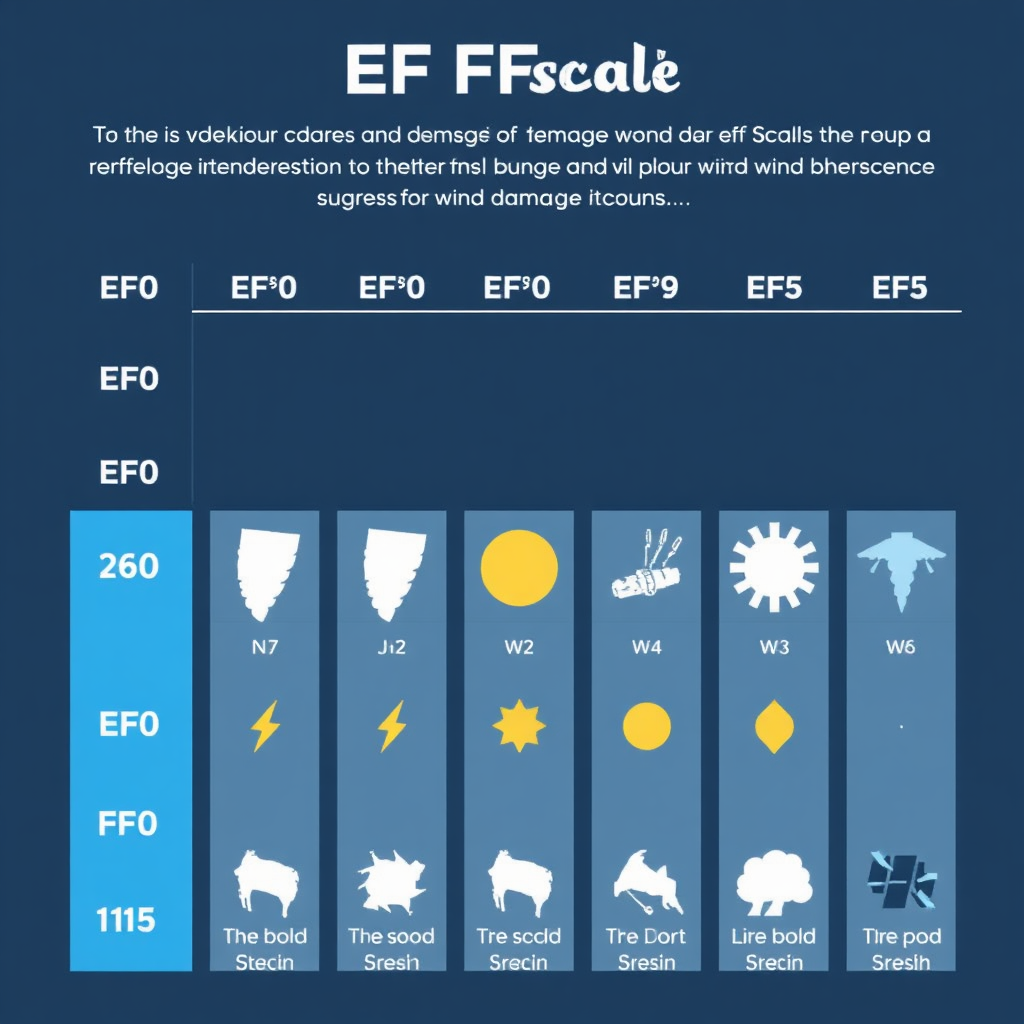
The Enhanced Fujita Scale measures tornado intensity based on observed damage and estimated wind speeds. It helps homeowners and insurance professionals gauge potential repair costs and the scope of rebuilding required. While the EF rating offers a standardized way to describe damage, the actual cost to restore a home depends on structure type, protection features, construction quality, and local labor rates.
| EF Rating | Estimated Wind | Typical Damage Description |
|---|---|---|
| EF0 | 65–85 mph | Light damage such as missing shingles, minor siding damage, and broken tree limbs. |
| EF1 | 86–110 mph | Moderate damage: roof damage, broken windows, some exterior wall damage. |
| EF2 | 111–135 mph | Considerable damage: roofs torn off, mobile homes destroyed, substantial wall damage. |
| EF3 | 136–165 mph | Severe damage: walls collapse, trees uprooted, large structural failures. |
| EF4 | 166–200 mph | Devastating damage: well-built homes leveled, most structures severely compromised. |
| EF5 | 200+ mph | Incredible damage: total destruction, debris scattered over a wide area, extreme structural failure. |
Note that according to the National Weather Service, roughly 70–77% of tornadoes fall in the EF0–EF1 range. This means that most tornado damage in Oklahoma is repairable rather than a total loss, even though the most severe events cause disproportionate damage. Real-world costs still depend on home type, finishes, and the extent of damage to mechanical systems and interiors.
Cost by Damage Category
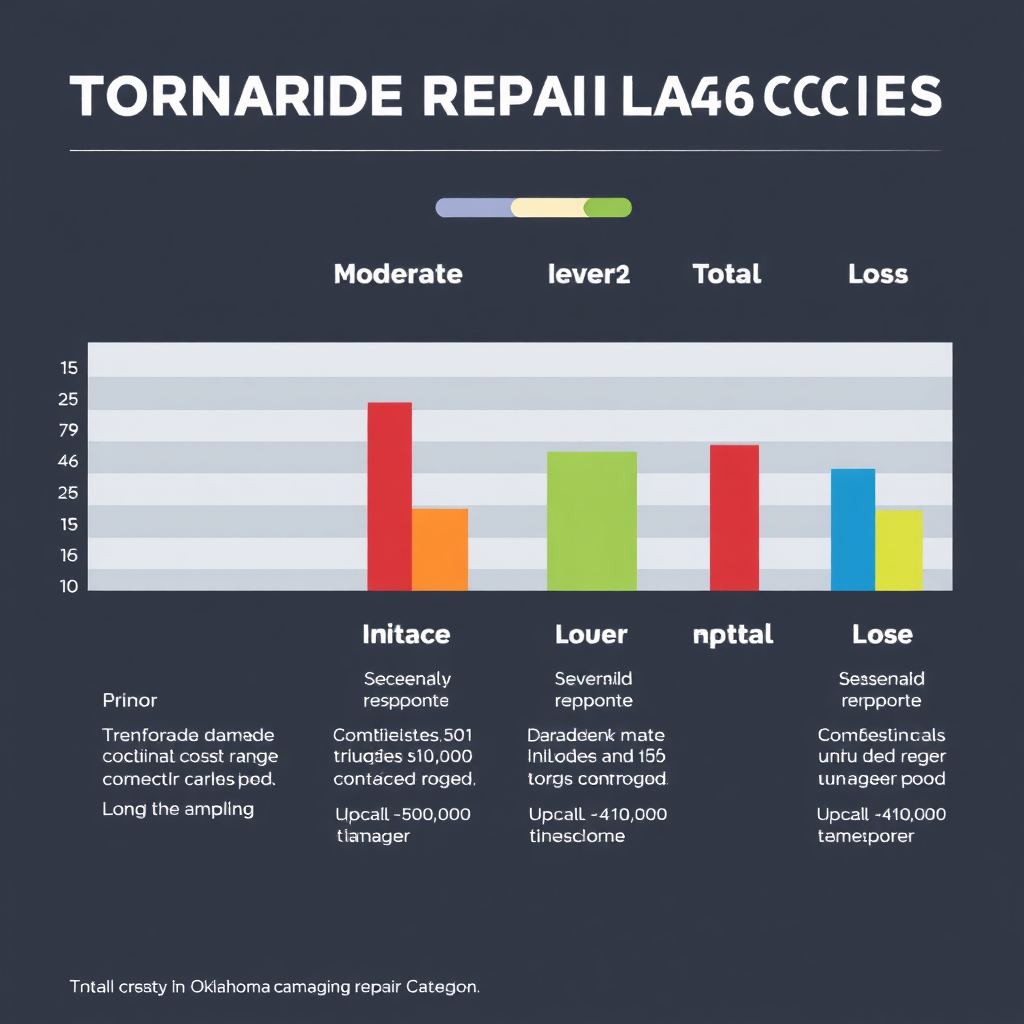
Repair costs scale with the severity of the damage, the size of the home, and the level of reconstruction required. The ranges below summarize typical outcomes observed in insurance claim write-ups and contractor estimates for Oklahoma homes impacted by tornadoes. Individual cases may vary.
| Damage Category | EF Range | Estimated Repair Cost |
|---|---|---|
| Minor | EF0–EF1 range | $3,000–$25,000 — missing shingles, broken windows, siding damage, minor structural issues |
| Moderate | EF1–EF2 range | $15,000–$75,000 — significant roof damage, partial wall failure, tree impact damage |
| Severe | EF2–EF3 range | $75,000–$200,000 — roof removal, major structural damage, extensive related water damage |
| Total loss | EF3+ range | $200,000+ — complete or near-complete destruction requiring full rebuild |
Industry data often cites an average tornado insurance claim around $32,000. This blended figure reflects many smaller damage claims alongside rare catastrophic events. Homeowners should expect that actual costs hinge on local labor rates, building codes, and the scope of interior vs. exterior damage.
Cost by Damage Type
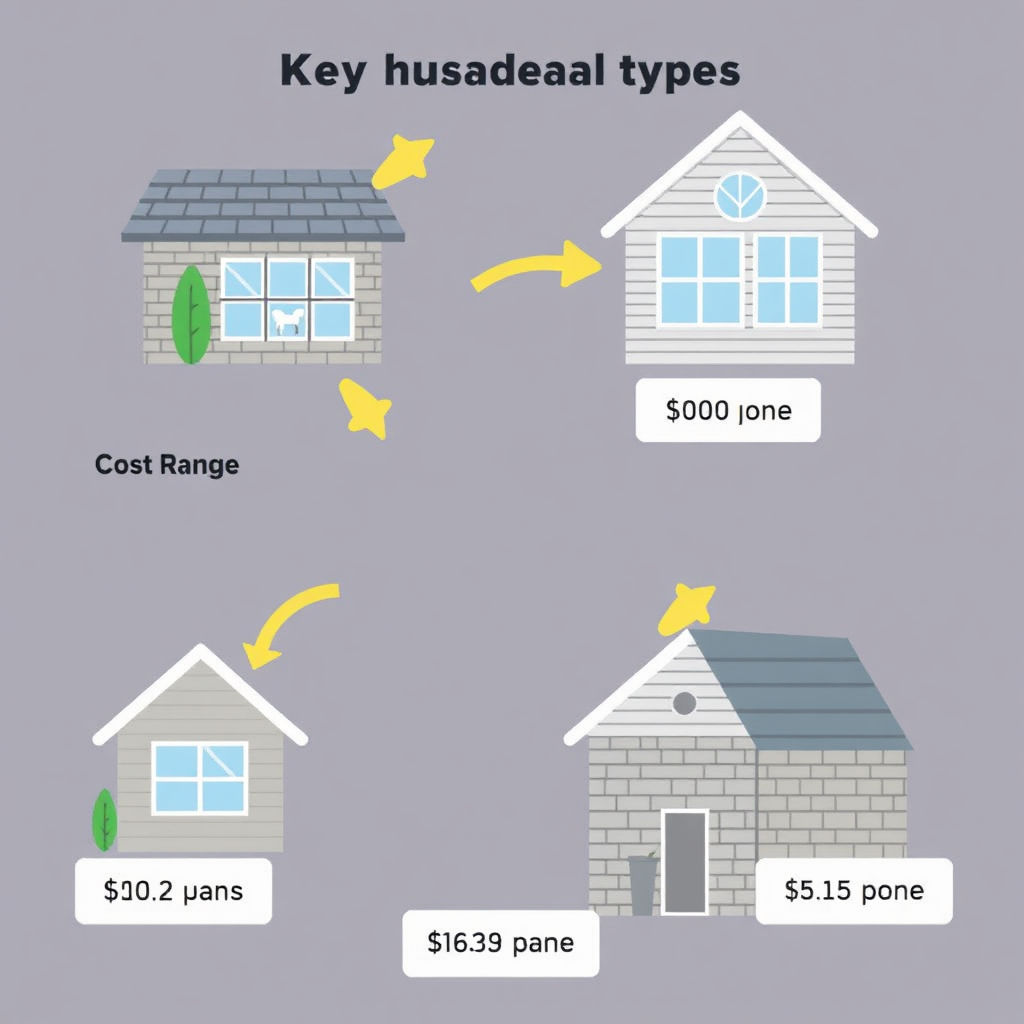
Understanding the major components of repair helps homeowners set expectations and discuss scope with licensed local contractors. The figures below reflect common ranges encountered in Oklahoma after a tornado, recognizing that actual prices depend on roof type, foundation condition, and the presence of moisture-related interior damage.
Roof damage
Key component- Minor shingle repair: $700–$4,000
- Full roof replacement: up to $30,000
- Note: structural roof framing repair may be needed if rafters or joists are compromised
Windows
Glazing & framing- Broken or cracked windows: $250–$1,200 per opening
- Full home window replacement varies by size and number of openings
Siding
Exterior finish- Minor repairs: $200–$1,200
- Full or extensive siding replacement: up to $12,000
Foundation & framing
Structural integrity- Foundation damage from shifting: $500–$10,000 (severity dependent)
- Structural wall/framing repairs: $4,600–$17,000
Interior damage
Moisture & finishes- Water intrusion and drywall repair: varies, often $3,000–$20,000 depending on area
- Electrical and HVAC components may require inspection and repair
Doors & hardware
Security & access- Exterior doors, garage doors, and hardware: $500–$4,000 depending on scope
Structural repairs typically account for a significant share of total restoration costs in moderate-to-severe tornado claims, often contributing 40–60% of the overall project. This percentage reflects the need to restore load-bearing elements and ensure long-term safety. Actual shares vary based on the home’s design and the extent of water exposure.
Debris Removal: A Separate but Significant Cost
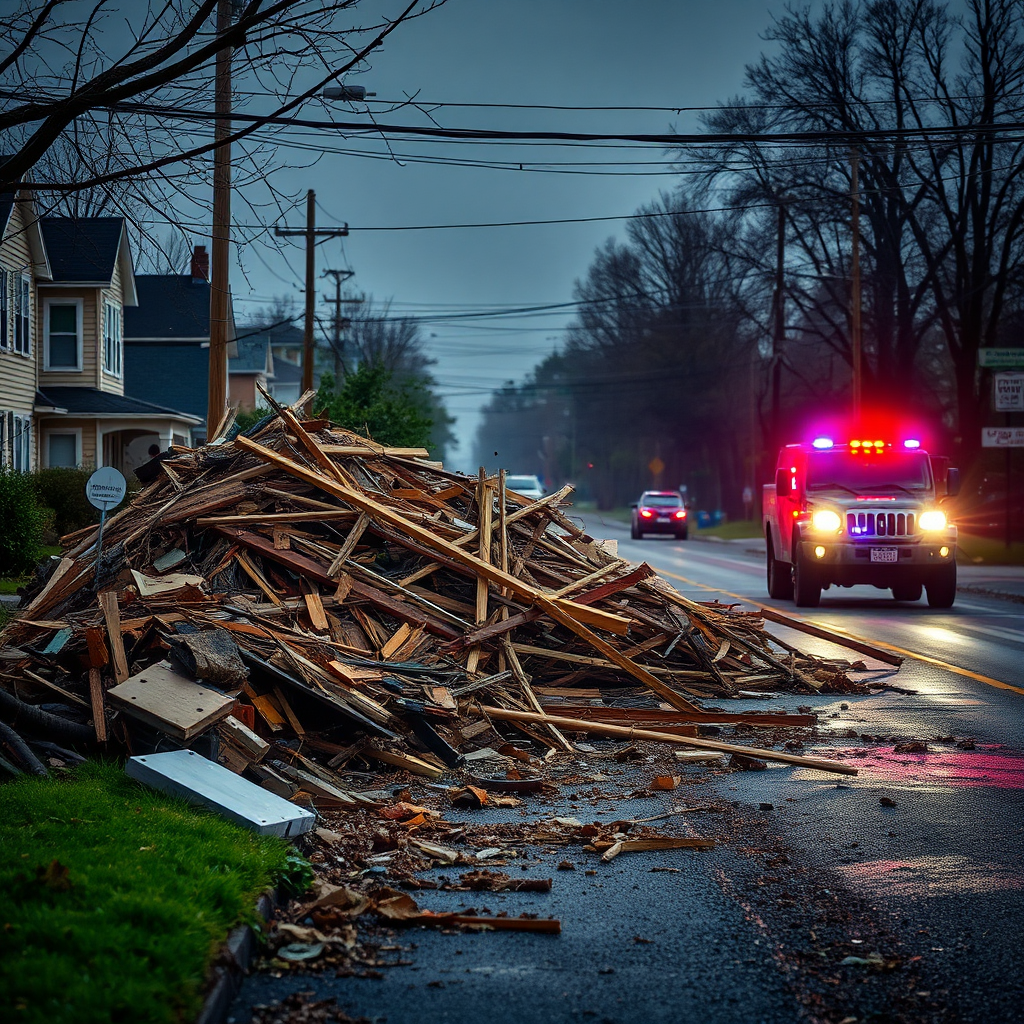
After a tornado, large-scale debris removal becomes a major logistical and financial factor. Debris clearance often runs from several thousand dollars into the tens of thousands, depending on the scale of destruction, access to the property, and environmental considerations. This work is typically billed as a separate line item by insurers or contractors and is frequently coordinated alongside structural repairs.
Debris removal is generally covered under homeowners insurance as part of the claim for damage, but it is subject to policy sub-limits and specific terms. Understanding those sub-limits ahead of arranging cleanup helps homeowners plan for out-of-pocket costs if needed. RestoreOKLA maintains a dedicated guide on storm debris removal costs—the internal link will be inserted after this draft.
Repair Timelines by Severity
Timelines vary with damage severity, weather, access to skilled labor, and material availability. Minor repairs typically move quickly, while extensive reconstruction can span many months. In the aftermath of widespread events, demand surges and scheduling delays become more common, influencing overall duration.
Minor damage
2–4 weeksMissing shingles, broken windows, or minor siding repairs often complete within a month, depending on weather and contractor availability. Shorter lead times are possible in calm periods with available crews.
Moderate damage
2–6 monthsSignificant roof damage or partial wall failures typically require more extensive assessments, permits, and specialized work, extending repair timelines into several months. Weather windows and contractor backlogs can add to the duration.
Severe damage
4–12 monthsMajor reconstruction, foundation work, or extensive water remediation often takes many months. After a widespread event, scheduling pressure and material delays may push timelines further, sometimes beyond a year.
Widespread events
VariableWhen an entire region is affected, contractor availability and material supply chains tighten. Homeowners may experience longer wait times for permits, inspections, and scheduling, which can extend the overall restoration period.
Practical tip: begin documenting damage early, maintain receipts for temporary protections, and stay in touch with insurers and licensed local contractors. This helps minimize delays and supports smoother claim and repair processes.
Does Homeowners Insurance Cover Tornado Damage?
Standard homeowners insurance policies typically cover tornado or wind damage under four primary coverages: dwelling, other structures, personal property, and loss-of-use. Coverage helps pay for repairs to the home, detached structures like sheds, replacement of belongings, and temporary living expenses if you cannot live in the home during repairs.
However, flood damage caused by rain associated with a tornado is usually excluded and requires separate flood insurance. Wind-driven water intrusion can also trigger specific policy terms; homeowners should review each component with their insurer. In Oklahoma, many policies use a percentage-based wind/hail deductible rather than a flat dollar amount, which changes out-of-pocket responsibility after a claim.
Understanding the deductible structure is crucial: a higher deductible reduces premium costs but increases the upfront cost to begin repairs. Oklahoma homeowners can typically expect to navigate standard coverage for structure and contents, but the actual payout depends on policy details, endorsements, and confirmation of coverage with the provider. This guide does not replace professional insurance counsel, but it helps readers ask informed questions.
RestoreOKLA maintains dedicated guides explaining wind/hail deductibles and how they interact with state policy terms; internal links will be added after draft completion.
Steps to Take After Tornado Damage
- Prioritize safety and wait for official clearance before entering a damaged structure. If there is any risk of collapse, avoid the building until professionals say it is safe.
- Watch for hazards such as downed power lines, gas leaks, and exposed wiring; evacuate if you smell gas or hear sparking sounds.
- Document all damage thoroughly with photos and video before any cleanup or temporary repairs. This creates a robust record for insurance and contractors.
- Make only reasonable temporary repairs to prevent further damage (for example, tarping a roof or boarding windows) and keep all receipts for materials and labor.
- Contact your insurance company promptly to begin the claim process. Have policy numbers, photos, and a list of damaged items ready.
- Avoid signing contracts with door-to-door contractors who appear immediately after storms unless they can verify licensing, credentials, and local references. Seek multiple quotes from licensed local contractors to compare scope and pricing.
- Get multiple repair quotes from licensed local contractors and verify they are properly insured and licensed. Independent research and referrals from neighbors or the local building department can help identify reputable providers.
FAQ
How is tornado damage severity determined for insurance purposes?
Severity is generally inferred from observed damage and, if available, the official EF rating assigned by meteorological authorities. Insurance adjusters assess the extent of structural and interior damage to estimate repair costs. The EF rating provides context, but the actual claim amount depends on the repairs needed, coverage limits, and the specifics of the policy.
Does a higher EF rating always mean higher repair costs for my specific home?
Not necessarily. While higher EF ratings often accompany more extensive damage, a single home may experience concentrated damage in one area (for example, roof and exterior walls) with less interior impact, resulting in a different cost profile. Construction type, roof design, and the presence of protective features can also influence costs, so each claim needs a detailed assessment.
How long does it typically take to get a tornado damage claim paid?
Timelines vary by insurer, claim complexity, and local demand. Simple claims might be resolved within a few weeks, while more complex cases involving extensive structural damage or total loss can stretch into months. Working with a licensed local contractor and providing a clear, organized damage documentation packet can help accelerate the process.
Is temporary storm damage repair (tarping, boarding windows) reimbursable?
Temporary repairs intended to prevent further damage are commonly reimbursable as part of the claim, provided they are reasonable, supported by receipts, and align with policy terms. Some policies require the homeowner to obtain prior approval for temporary work; always document and retain receipts and communicate with the adjuster.
What if contractor availability is limited after a widespread tornado event?
Availability can be tight after major storms. Homeowners should start the claims process promptly, obtain multiple quotes, and consider prioritizing safety and essential repairs first. Some coordination with insurers allows for staged repairs as crews become available, but always confirm acceptable timelines with your insurer and contractor.
Disclaimer
This article is educational and informational only. It does not constitute professional restoration or insurance advice. Final pricing depends on in-home assessments by licensed professionals. Homeowners should obtain quotes from licensed local contractors and confirm coverage details directly with their insurance provider.