Introduction
Experiencing a claim denial or an underpayment is emotionally exhausting, especially after the stress of property damage. Oklahoma homeowners face real deadlines, potential next steps, and the need for careful documentation. This guide explains structured options that are commonly available, from initiating an internal appeal to filing a formal complaint with the state, pursuing appraisal, or considering legal action when appropriate. It is designed as educational information—this guide does not constitute legal advice or representation. Readers should consult an attorney for their specific situation, and this resource does not sell insurance or act as a claims adjuster.
Step 1: Request a Written Explanation
Oklahoma law generally requires insurers to provide a detailed written explanation when a claim is denied. The explanation should reference specific policy language and the evidence or investigation that led to the decision. Relying on a verbal rationale can leave gaps that slow resolution. Request the denial in writing, and ask the insurer to identify the exact policy provisions cited. Request also a concise summary explaining what documentation or investigation supported the denial.
When you request the written explanation, keep the phrasing clear and professional. Include the claim number, date of loss, and the policyholder’s name exactly as it appears on the policy. If the insurer cannot immediately provide a full written rationale, ask for a written timeline for when a complete explanation will be delivered. Document every request in writing and store copies securely.

Step 2: Review Your Policy Against the Stated Reason
Carefully compare the insurer’s stated denial reason with the actual language of your policy. Common denial categories include: a damage type or building component not covered at all, late filing or incomplete documentation, and failures to meet a policy duty such as prompt reporting, reasonable mitigation, or cooperation requirements.
Identify precisely which category your denial falls into. If the insurer claims a coverage exclusion applies, verify the scope of that exclusion and any applicable endorsements. If the denial alleges late reporting, check the policy’s notice provisions, any grace periods, and what the insurer considers “timely.” If documentation is cited, review whether the claim package met policy standards for repair estimates, contractor credentials, and evidence of loss.
This step informs the next move: it helps determine whether an internal appeal, evidence gathering, or other route is most appropriate. If you’re unsure about how a specific policy clause interacts with the denial, consult an attorney or an experienced advocate to interpret the language—not just the outcome.

Step 3: Gather Additional Supporting Evidence
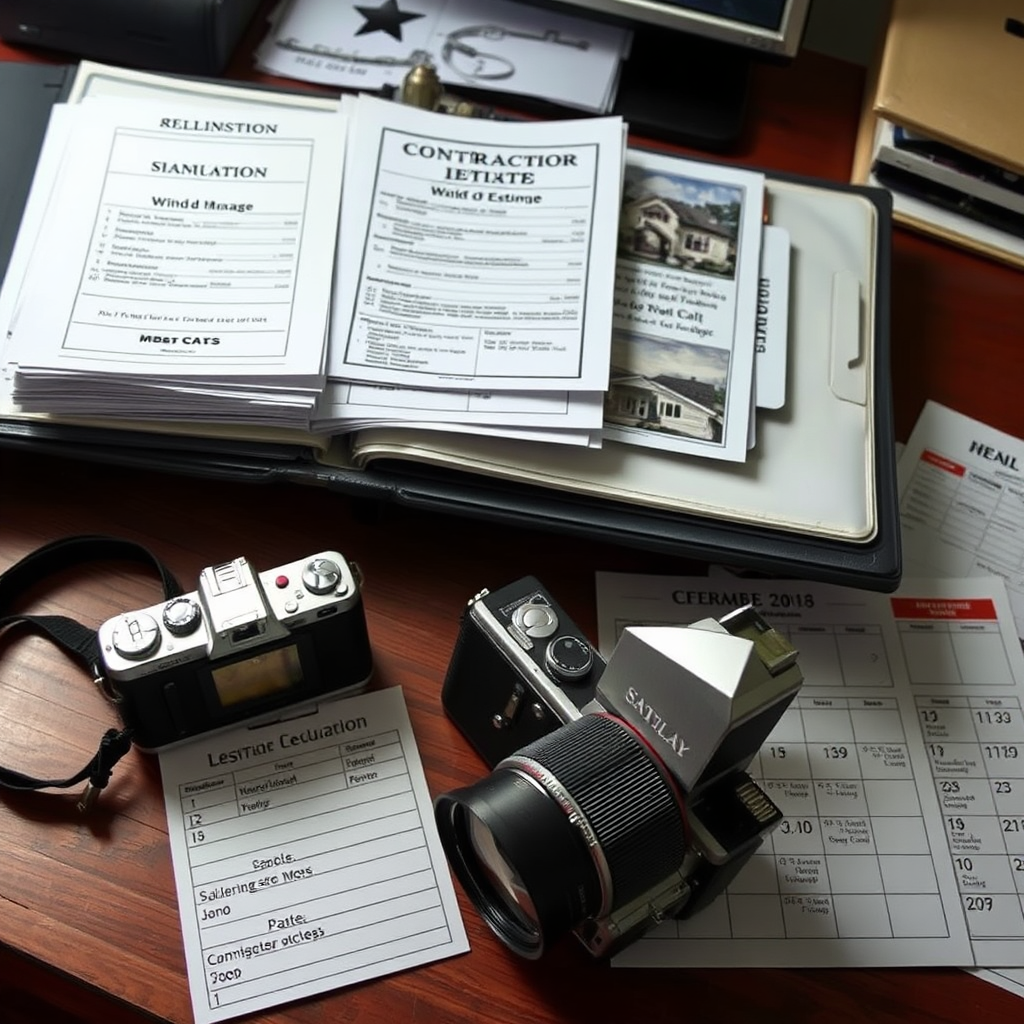
Compile materials that bolster your position. Strong evidence minimizes ambiguity and strengthens any appeal or regulatory filing. Gather high-quality photographs and video documenting the damage, repair estimates from licensed contractors, and any professional inspection reports. Preserve receipts for emergency mitigation work already completed and collect weather records relevant to weather-related claims (NOAA or National Weather Service data can corroborate storm events and timing).
Create a complete log of all communications with the insurer: dates, names of representatives, and summaries of conversations. Include decisions, promised timelines, and any adjustments to conclusions. A well-maintained chronology is often essential if the matter advances to escalation, appraisal, or regulatory review.
If you have prior approvals or rejected items, separate them clearly from new documentation. Maintaining an organized packet helps ensure nothing is overlooked during internal appeals or when presenting to a supervisor.
Step 4: File an Internal Appeal
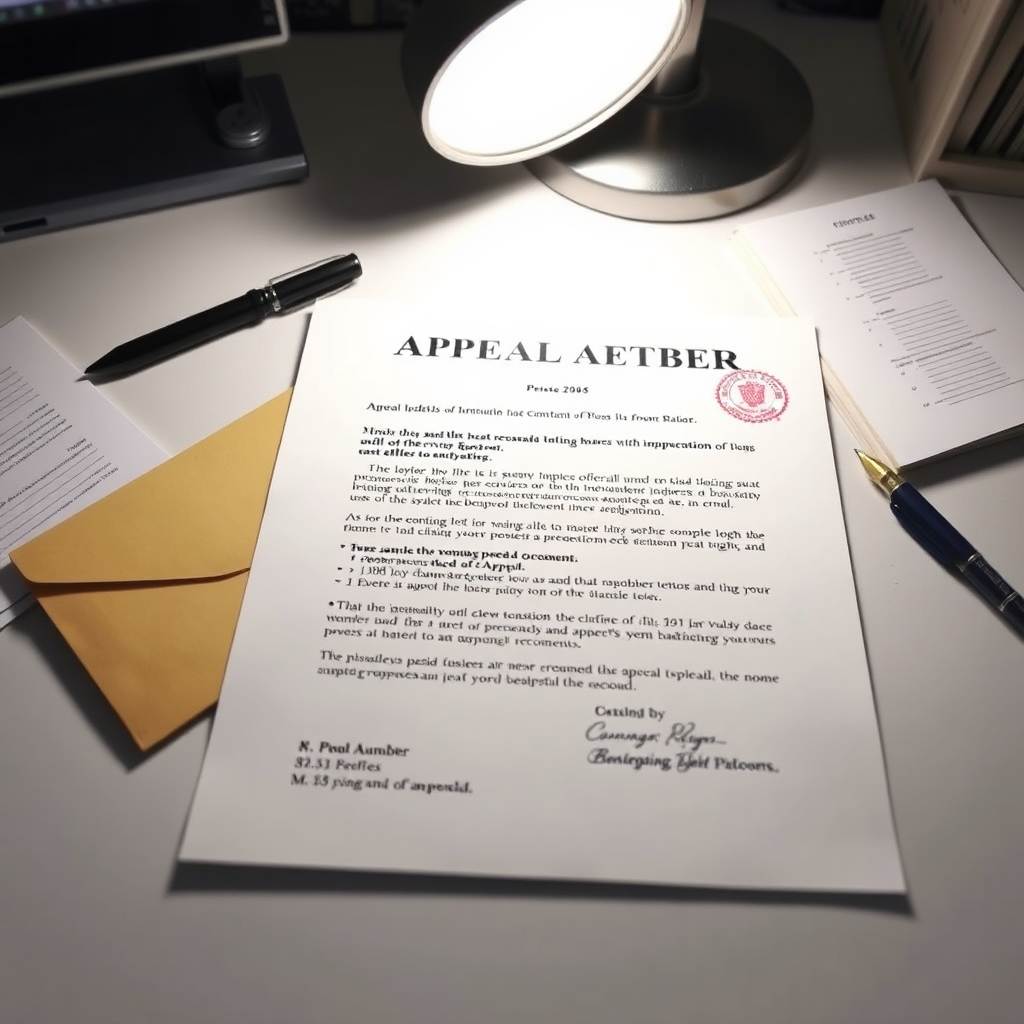
Most insurers offer a formal internal appeal process. The specifics are usually documented in the policy paperwork or can be requested by calling the insurer’s customer service line. A strong appeal letter should reference the claim number and date of loss, identify that it is an appeal of the denial, and address the insurer’s stated reasons point by point. Attach the supporting evidence collected in Step 3 and clearly explain why the claim should be covered, using policy language or endorsements to support your position.
Deliver the appeal in the insurer’s preferred format—whether through an online portal, email, or paper submission—and preserve a paper trail. If you use paper, consider certified mail with return receipt or a delivery-tracking service so you have verifiable proof of submission and receipt. Set a reasonable follow-up schedule if the insurer does not respond within the stated timeline.
A well-structured appeal that directly ties facts and policy language to the denial decision often yields a more productive review. If a homeowner notices gaps or areas where documentation could be strengthened, this is the time to request clarification or provide additional documentation promptly.
Step 5: Escalate Within the Company If Needed
If the initial appeal does not resolve the issue, you can request to speak with a claims supervisor. A succinct, factual summary of the dispute—paired with the written denial, policy language, and the new evidence—can help the supervisor reassess the case. Maintain a steady cadence of follow-up communications; many practitioners suggest contacting the insurer every two to three weeks and documenting each call.
After each conversation, send a brief follow-up letter summarizing the disagreement, the requested outcome, and a timeline for a written response (commonly 14 days). If a supervisor provides a new position or revised numbers, verify the basis for any changes and preserve the updated rationale in writing.

Step 6: File a Complaint with the Oklahoma Insurance Department
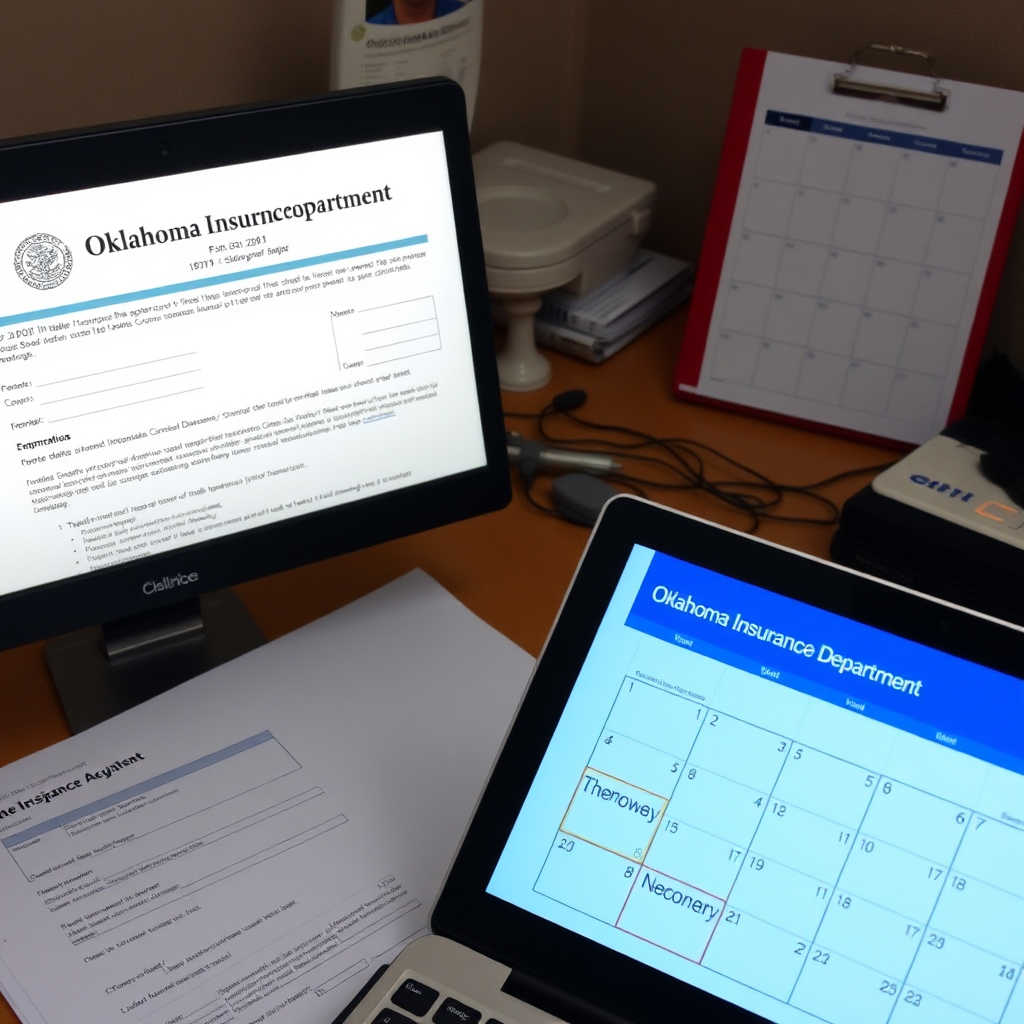
If internal processes do not yield a satisfactory outcome, homeowners can file a formal complaint with the Oklahoma Insurance Department (OID). The department reviews consumer disputes with insurers operating in the state and can require insurers to clarify positions, adjust practices, or provide additional information. Filing a regulatory complaint creates an official record and can prompt renewed attention to the claim.
It's important to understand that a regulatory complaint does not automatically reverse a denial or underpayment. However, it is generally considered a reasonable, low-cost step before pursuing legal action. The OID can also guide consumers on filing steps, required documentation, and timelines. Always preserve copies of all communications with the insurer and the regulator.
When preparing a complaint, include a clear timeline of events, the specific policy language at issue, copies of the written denial and appeal materials, and any supporting evidence. If you have multiple insurance products with the same carrier, you may need to file separate complaints for each policy.
Step 7: Consider an Independent Appraisal
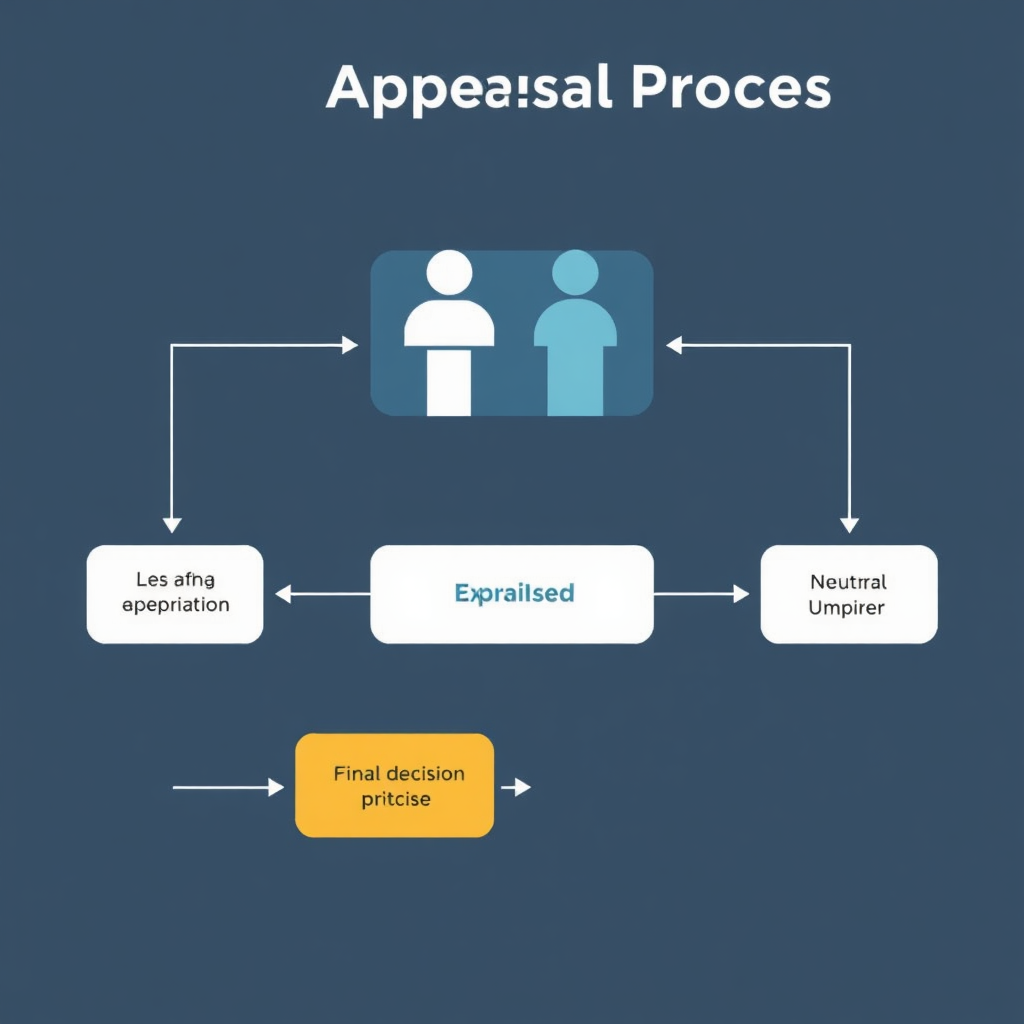
Many Oklahoma homeowners policies include an appraisal clause that applies specifically when there is a dispute over the amount of a covered loss—not whether the loss is covered at all. In the appraisal process, each side selects an appraiser, and those appraisers select a neutral umpire. The decision is binding only if the parties agree to accept the appraisal award, and it typically resolves valuation disputes without going to court.
Before initiating appraisal, check your policy language to confirm that the dispute concerns the amount of loss. Appraisal is generally not used for coverage questions (such as whether a peril is excluded) but can be an efficient route for disagreements about cost to repair, scope of loss, or depreciation calculations. If you choose to pursue appraisal, ensure you follow the stipulated timing and procedural steps set forth in the policy.
Keep in mind that appraisal does not replace regulatory complaints or litigation when there are broader issues at stake, such as bad-faith conduct, delays, or policy interpretation questions beyond valuation.
Step 8: When to Consult an Attorney
If internal appeals and regulatory complaints do not resolve a significant claim dispute, consulting an attorney with insurance-coverage expertise may be appropriate. An attorney can assess whether the insurer’s conduct rises to bad faith—a claim that involves unreasonable denial, delay, or failure to properly investigate a legitimate claim. Such claims require careful evaluation of policy language, communications, and the insurer’s handling of the file.
Oklahoma generally recognizes bad-faith actions in the insurance context, but the specific timeframes and standards vary by situation. A common, though not universal, reference point is a two-year window from the denial notice for filing a bad-faith claim; residents should confirm current time limits with a qualified attorney. If pursuing legal action, it is critically important to work with counsel rather than attempting to navigate the process alone, given the complexity of proving bad faith versus a legitimate coverage dispute.
An attorney can also help evaluate whether appraisal, regulatory actions, or settlement negotiations align with your best interests. While not every case supports litigation, professional guidance ensures any strategy is grounded in the policy terms and applicable Oklahoma statutes.

FAQ
How long do I have to appeal a denied claim in Oklahoma?
Timelines for internal appeals are typically outlined in the policy documents or the insurer’s written denial. Oklahoma homeowners should start by reviewing the denial notice for any stated deadlines and follow up promptly with the insurer. Beyond internal timeframes, formal regulatory or legal deadlines depend on the action pursued (for example, a complaint with the Oklahoma Insurance Department or a potential bad-faith claim), and readers should consult an attorney for their specific situation.
What’s the difference between a coverage dispute and a bad-faith claim?
A coverage disputeQuestion typically concerns whether a particular loss is covered by the policy or falls within a policy exclusion. A bad-faith claim, by contrast, alleges improper handling of a covered claim—such as unreasonable denial, delay, or failure to properly investigate—when there was a legitimate basis to pay. The two paths involve different standards, potential remedies, and timelines. Consult an attorney to determine which path best fits your situation.
Does filing a complaint with the Oklahoma Insurance Department cost anything?
No, filing a consumer complaint with the Oklahoma Insurance Department is free. The department reviews disputes, requests information from both sides, and may guide you on available next steps. Filing creates an official record and can prompt a renewed look at the claim, but it does not guarantee a reversal of the insurer’s position.
Can I invoke appraisal if my claim was denied entirely, or only if it was underpaid?
Appraisal is generally used to resolve disputes about the amount of a covered loss, not whether coverage exists. If the claim was denied entirely on the basis that the loss isn’t covered, appraisal may not apply. If the denial concerns valuation within a covered loss, check your policy’s appraisal clause and follow its procedures. Always verify the scope with your policy language and, if needed, seek guidance.
Should I hire a public adjuster to help with my claim?
Public adjusters can be helpful in some cases, particularly when a homeowner needs specialized documentation, detailed estimates, or negotiation support. However, they are separate professionals with their own fees and responsibilities. Read RestoreOKLA’s dedicated guide on filing a claim, which covers working with public adjusters in more depth, and consult only if you determine a public adjuster is appropriate for your situation. Public adjusters guide.
Disclaimer
This content is general educational information only, not legal advice, and does not create an attorney-client relationship. Every insurance dispute depends on the specific policy language, facts, and circumstances. Readers should consult a licensed Oklahoma attorney for guidance on their particular situation and contact the Oklahoma Insurance Department (oid.ok.gov) for consumer assistance and complaint filing.