Nearby wildfire smoke infiltration
Even when a home isn’t touched by flames, smoke can enter through open windows, gaps, or HVAC intakes during wildfire events. Once inside, odor can linger in ducts and porous surfaces, just like post-fire odor.
Smoke odor is a distinct challenge separate from visible fire damage. Odors can linger long after surfaces appear clean, infiltrating porous materials and HVAC systems in ways surface cleaning cannot fully address. This guide explains typical costs for professional odor removal in Oklahoma, including scenarios beyond a homeowner’s own fire—such as nearby wildfire smoke, prior smoking in a newly purchased home, or contained cooking incidents. It emphasizes realistic expectations and the fact that odor removal is an educational resource, not a contractor service.
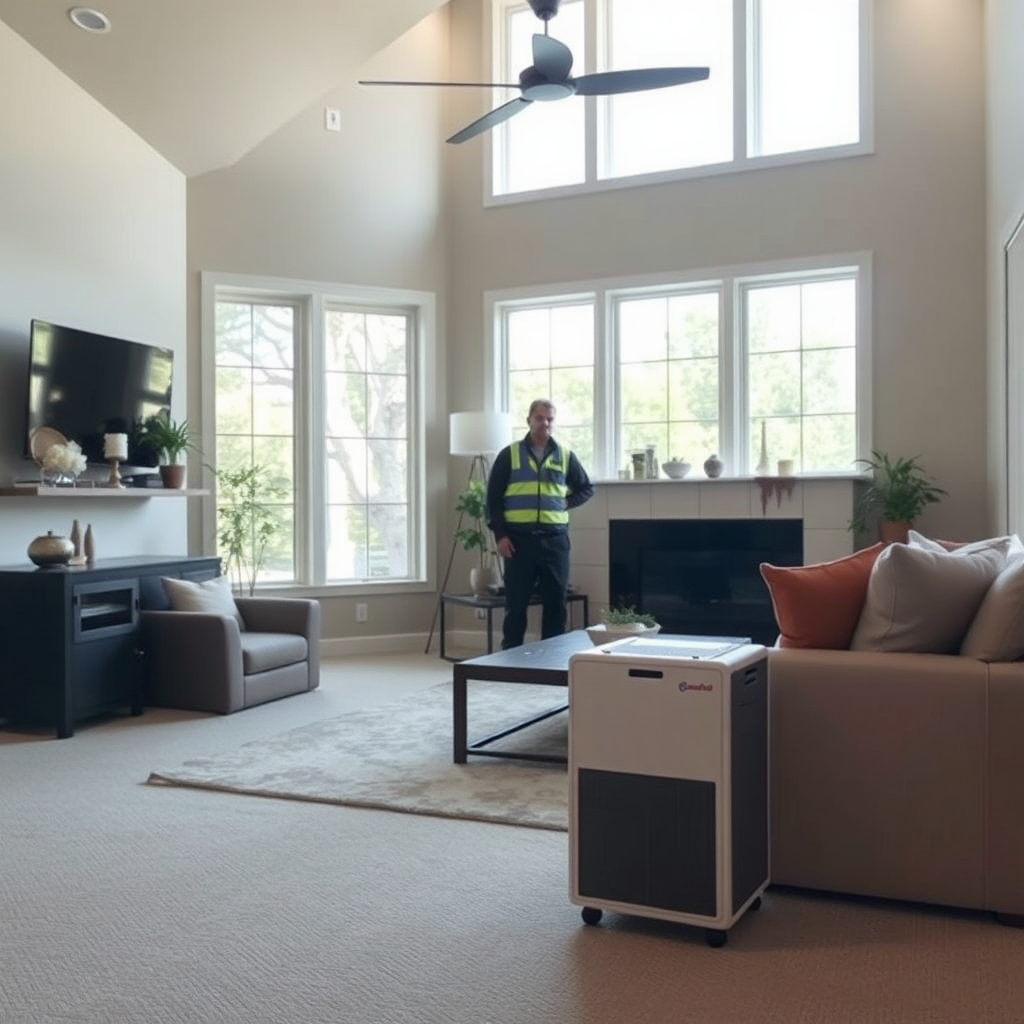
For a full breakdown of structural and cleanup costs after a house fire, readers can refer to the Fire Damage Restoration Cost article. This guide focuses specifically on smoke odor as a standalone issue and its costs.
Related guidance on insurance coverage can be found in RestoreOKLA’s Fire Insurance Coverage overview.
| Treatment Method | Typical Cost Range | Notes |
|---|---|---|
| Ozone treatment | $400–$800 per session | Air and surfaces deodorized; often fastest for strong odors. Home must be vacated during treatment. |
| Thermal fogging | $300–$700 per session | Deodorizing fog penetrates porous materials; typically executed with ventilation post-treatment. |
| Hydroxyl generators | $400–$900 per session | Gentler, occupant-safe alternative to ozone; usually can stay in property during treatment. |
| HVAC system cleaning and deodorizing | $300–$800 | Addresses odor trapped in ductwork; helps reduce recirculation of smoky air. |
| Whole-home combination treatment | $1,000–$2,500+ | Multiple methods combined for persistent or severe odor problems. |
Note: Minor, localized odor—such as from a small contained kitchen fire—may be resolved with a single treatment in the $300–$600 range, while whole-home smoke infiltration from a significant fire or prolonged wildfire exposure often requires the combination approach. For context, this guide focuses on odor alone, not full fire damage remediation.
For a broader breakdown of structural and cleanup costs after a house fire, please see the Fire Damage Restoration Cost article. The insurance and cost dynamics for odor removal remain related but distinct from structural remediation.
Professional odor removal often treats the whole home rather than a single room. This approach reduces the risk of odor recirculation through HVAC ducts and addresses embedded residues in porous materials.
Smoke particles are often extremely small, measuring fractions of a micron in diameter. They can penetrate and bond with porous materials—drywall, fiberglass insulation, carpet padding, fabrics, and even the surface textures of finished wood—where simple surface cleaning cannot reach embedded odors. Once smoke residues embed in these materials, odor molecules can persist even after visible soot is removed.
Smoke also moves with air currents. During and after a fire event, HVAC systems and ductwork can transport odor throughout the home, sometimes carrying molecules into rooms that were never directly affected by flames or soot. This recirculation can make odor removal feel inconsistent if addressed room-by-room rather than as a system-wide problem.
Because odor results from residues that cling to materials and circulate through air paths, effective removal often requires a coordinated plan: treating air in multiple zones, deodorizing affected materials, and ensuring ventilation strategies do not simply relocate the odor. A true odor-control strategy tends to combine several methods to address both airborne molecules and embedded residues.
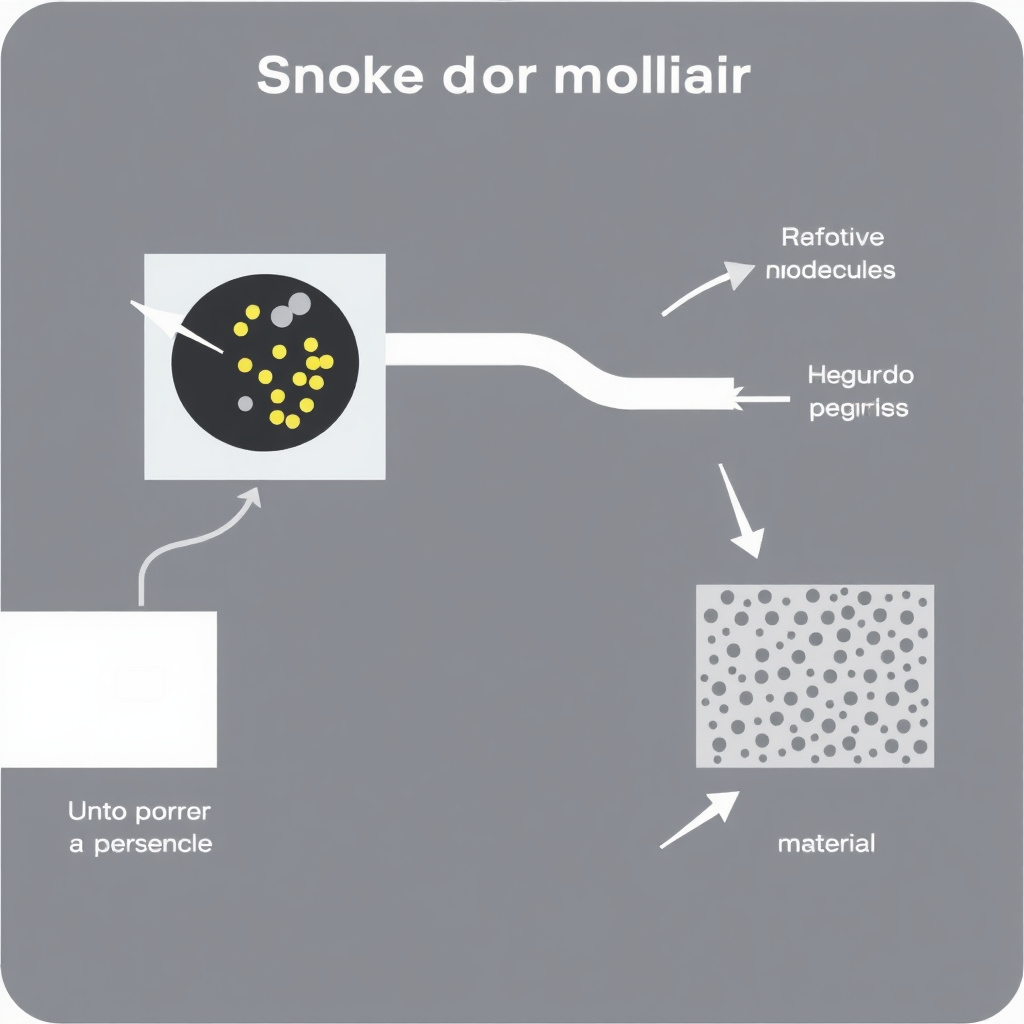
Even when a home isn’t touched by flames, smoke can enter through open windows, gaps, or HVAC intakes during wildfire events. Once inside, odor can linger in ducts and porous surfaces, just like post-fire odor.
Nicotine and tar can accumulate in walls, carpet, and HVAC systems over years. Even a recently purchased home may carry lingering odor that requires professional deodorization beyond standard cleaning.
A small kitchen fire may burn materials without causing structural damage yet spread cooking smoke and burnt-wood odors through the home. Odor can linger even after visible flames are extinguished.
Inadequate filtration or high dust loads can trap odor particles and reintroduce odors during daily activities. Addressing these sources often goes hand-in-hand with odor remediation.
Some materials—like certain fabrics, carpets, or wall coverings—can absorb odors deeply. In these cases, deodorization might require material replacement or more intensive treatment to prevent odor rebound.
Ozone treatment is a powerful option recognized for rapid, deep odor neutralization. It involves generating ozone, which reacts with odor molecules in the air and on surfaces. The process is typically performed with the home vacated (including pets and plants) due to ozone exposure, and adequate ventilation is required afterward.
In many cases, professionals consider ozone ideal for severe, whole-home odor scenarios where speed matters and relocation is feasible. After treatment, fresh air exchange and monitoring are essential to ensure safety before re-occupancy.
Hydroxyl generators produce hydroxyl radicals that neutralize odor without emitting harmful byproducts or requiring full evacuation. This method allows occupants to remain in the home during treatment, though the process tends to be slower and may require multiple sessions for persistent odors.
Professionals often recommend hydroxyl treatment for moderate odor or households where relocation is challenging due to health considerations or logistics. It is a balanced option that emphasizes occupant safety and comfort.
Practical takeaway: ozone tends to be favored for severe, whole-home odors when immediate results are prioritized and temporary relocation is possible; hydroxyl treatment is favored for occupants who need to stay in place or for moderate odor scenarios. This guide presents typical cost ranges, but a licensed professional will tailor the approach to the specific odor profile and affected materials.
Smoke odor removal is generally addressed under a standard homeowners insurance fire claim as part of the broader smoke damage remediation. This aligns with the coverage typically described for sudden and accidental fire perils that affect structural and content damage. For odor arising from a nearby wildfire that did not directly damage the structure, coverage can be more nuanced and depends on the specific policy language and the circumstances surrounding the event. Homeowners should discuss the scenario directly with their insurer to confirm eligibility and required documentation.
For odor issues that existed before an insurable event—such as a smoker in a prior owner’s history discovered after purchase—this is typically not an insurance matter, since no covered peril is involved. See RestoreOKLA's Fire Insurance Coverage overview for guidance on how fire and smoke claims are generally interpreted within standard policies. This content is informational and not a replacement for official insurance advice.
A successful professional odor-removal effort should eliminate odor throughout the home rather than merely masking it. Odor should not re-emerge after the treatment window has passed, and spaces previously treated should remain fresh over time.
If odor fades initially but returns within days or weeks, it can indicate an incomplete solution—common culprits include lingering HVAC ductwork, a porous surface that needed replacement, or residual contamination in concealed areas. Homeowners should ask providers what follow-up is included if odor recurs and whether a subsequent visit is part of the service plan.
Post-treatment testing or sensory checks can help verify odor reduction across rooms, especially in multi-story homes. Clear communication about expectations, timelines, and any required follow-up ensures confidence in results.
Remember: this guide profiles odor-remediation expectations and typical outcomes; specifics depend on the severity of contamination and the chosen remediation plan.
Time depends on odor severity, the size of the home, and the chosen method. A single session for a smaller area may take a few hours, while whole-home approaches or multi-session plans can extend over a day or two. The exact duration should be confirmed by the professional during the assessment.
When performed by a qualified professional, odor removal aims to actually neutralize or extract odor-causing compounds rather than simply masking them with aromatics. Results vary with contamination depth, but comprehensive approaches target air, surfaces, and embedded residues to minimize rebound. Always ask what constitutes “success” and whether a follow-up visit is included if odor recurs.
Replacement is not always mandatory, but deeply embedded residues in porous materials can necessitate it for long-term odor control. A professional assessment will identify suspect materials and outline whether cleaning, deodorizing, or replacement is required to prevent odor rebound.
Safety depends on the method chosen. Hydroxyl treatment generally allows occupancy during treatment, while ozone treatment requires temporary relocation due to air quality concerns. Always follow the guidance of the treating professionals and ensure adequate ventilation per their instructions.
Costs can be similar in scale if whole-home remediation is required, but wildfire odor may implicate broader HVAC cleaning or longer exposure durations, potentially increasing the total. The table above provides typical ranges by method, with higher-end estimates for persistent or extensive odor scenarios. Individual project quotes will reflect the specific materials affected and the required treatments.
This article is educational and informational only, not professional restoration or insurance advice. Final pricing depends on an in-home assessment of odor severity and affected materials. Homeowners should obtain quotes from licensed local restoration or odor-removal professionals and confirm coverage details directly with their insurance provider where applicable.